A cat can spend half the day sleeping in a sunny corner and still carry stress that an owner never notices. That is what makes feline anxiety different from many other pet behavior problems. Cats rarely announce that something is wrong. Instead, they change small habits, adjust routines, and quietly react to situations that make them uncomfortable. I learned this when I assisted a friend with her rescue cat. The cat was healthy and feeding normally, but became increasingly hidden in a corner each week, always leaving a hiding spot behind furniture. The reason was quite simple. At night, a cat next door had begun to come into the garden. As soon as this trigger was gone, her behaviour got better in several days. This is one of the reasons why the issue of feline stress is important. Cat stress relief can be found by the owners who observe some form of anomaly in their cat, such as loss of appetite and aggressiveness.
This dilemma is determining the true cause. Stress may be territory-related, changes in the home, unpleasant odors, new pets, or even excessive attention. This article explores the signs, causes, practical solutions, nutrition concerns, and supportive options such as cat calming treats so you can better understand your cat and help them feel secure again.
Cat Stress Relief: Why Emotional Health Matters for Cats?
When people hear the term cat stress relief, they often imagine a product or supplement. As a matter of fact it involves a blend of behavioral knowledge, irritant minimization, environmental enhancement, and emotional coping.
Cats are routine creatures. They prefer the same smells, places and routine patterns. Most cats find it difficult to adjust when such things alter abruptly. Some of them recuperate, but some may be jittery for weeks or months.
The impact of stress is not just on mood. The effects of long-term anxiety may include eating, sleeping, grooming behavior, and health. Hence, early detection of stress will lead to a decrease in the size of problems in the future.
The table below shows how emotional stress can affect different areas of a cat’s life.
| Area | Possible Effect |
| Behavior | Hiding, aggression, avoidance |
| Appetite | Reduced food intake |
| Grooming | Over-grooming or neglect |
| Sleep | Restlessness |
| Physical Health | Digestive and urinary concerns |
| Social Interaction | Withdrawal from family |
A relaxed cat usually explores confidently, rests comfortably, and follows a predictable routine. When these patterns suddenly change, stress often plays a role.
How to Spot the Signs of Cat Stress Relief
Many owners expect obvious warning signs. Cats rarely make it that easy. On the contrary, they speak by their actions, posture, gestures and habits. An individual symptom is not necessarily a sign of stress. Nevertheless, there are often several changes that occur and indicate emotional discomfort. This attention to these details assists the owners in being able to respond before problems get out of control.
Behaviour Changes That May Signal Anxiety
Cat Stress Relief often manifests itself initially in behavior. Other cats grow timid and others grow abnormally talkative or funny. A socially normal cat might cease greeting the members of the family. Another will suddenly become averse of favorite rooms. Such changes are easily missed as they can sometimes occur slowly.
Common behavioral changes include:
- Hiding for extended periods
- Avoiding people
- Refusing outdoor access
- Increased vocalization
- Indoor spraying
- Excessive scratching
- Reduced interest in play
A cat owner found that her cat no longer sat in the living room in the evening. It was due to an unexpected reason. A new speaker system generated a low-frequency vibration, which the cat felt. The behavior disappeared after they were moved.
Body Language Clues Your Cat Is Feeling Uncomfortable
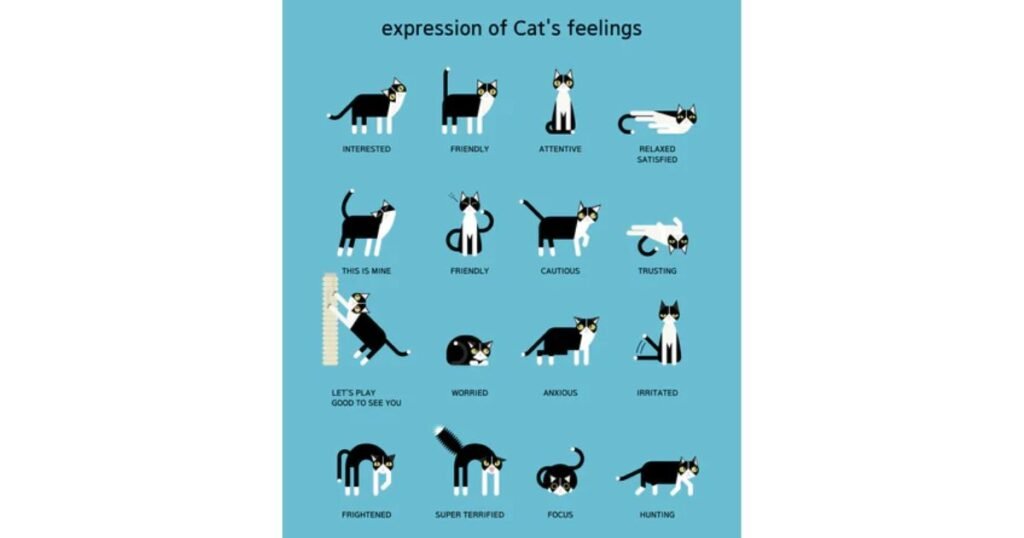
Body language provides another valuable clue. The domestic cat has long been making use of posture to communicate its feelings, even before it starts to exhibit serious behavioral issues. A stressed cat is one that is tense. This is due to muscles being tight since the animal is unsure of what should happen in the environment. The most typical physical cues are a squat pose, erect ears, a certain decrease in pupils, and excessive lip-licking.
The table below summarizes key body language indicators.
| Body Signal | Possible Meaning |
| Flattened ears | Fear or discomfort |
| Dilated pupils | Anxiety or alertness |
| Hunched posture | Stress |
| Tail tucked close | Insecurity |
| Lip licking | Nervousness |
| Skin twitching | Heightened tension |
While any single sign may be harmless, repeated patterns deserve attention.
Health Problems That Can Develop From Ongoing Stress
The stress tends to have physical health impacts. Some owners are aware of health shifts prior to the identification of emotional triggers. An anxious cat with long-term anxiety may lose enthusiasm for eating, develop digestive issues or spend too much time grooming. It is common to find the loss of hair around the stomach and legs in nervous cats.
Special attention should be paid to urinary problems. Tension can be a factor in the inflammation of the bladder and aches. Male cats need immediate medical attention when experiencing difficulty in urinating. A trip to the veterinarian is always a good idea when there are behavioral changes and health symptoms present.
What Causes Stress in Cats? Common Triggers Every Owner Should Know
Cats may seem independent, yet they are remarkably sensitive to environmental changes. What feels insignificant to humans can feel overwhelming to a cat. Most stress triggers fall into a few common categories. Understanding them makes prevention much easier.
Territorial Challenges Inside and Outside the Home
Territory forms the foundation of feline confidence. A cat is not afraid to lose valuable resources since they are familiar and predictable. Then there are problems when that territory is threatened. It does not necessarily include an additional animal in the house. There are occasions where a cat strolling outside in the garden at night gives enough stress-inducing activities.
The other frequent challenges experienced in territorial matters are moving home, paintings, decorations, visitors or major furniture rearrangement. Cats are very dependent on familiarity. Thus, maintaining known resting spots may prove useful in alleviating anxiety when making transitions.
Multi-Cat Households and Hidden Competition
Many people assume cats naturally enjoy living together. Some of them form good friends, but others just tolerate one another. Even in the absence of fighting, competition causes an overload of stress. A cat can block the food bowls, litter trays or resting site of another cat in an unobtrusive way. The most successful multi-cat homes have sufficient resources for all animals.
| Resource | Recommended Setup |
| Food Bowls | One per cat |
| Water Stations | Multiple locations |
| Beds | Several options |
| Scratching Posts | Distributed throughout home |
| Litter Trays | One per cat plus one extra |
Creating additional space often reduces tension surprisingly quickly.
Hidden Impact of Over-Handling and Forced Attention
Cats are affectionate and like choice and control. The focus of attention may prove to be stressful, particularly on shy or independent personalities. Unawareness is common among young children who can be well-intentioned but do not appreciate the fact that a cat might need to be left alone. Recurring handling may result in anxiety and avoidance behavior.
The cat may show indications that it has had enough by flicking its tail, walking off, flattening its ears, and flipping out on grooming. Showing respect for signals builds trust and decreases the emotional pressure.
How Changes in Household Smells Affect Cats
Humans depend heavily on sight. Cats depend heavily on scent. The smell of a house can totally change with new paint, new furniture, heavy cleaning products or with new people arriving. These changes sometimes cause uncertainty because cats perceive safe territory by the use of scent markers. Bringing familiar bedding, or favorite resting spots can help retain the calming scents when undergoing transition.
What Do Cats Like to Eat During Stressful Periods?
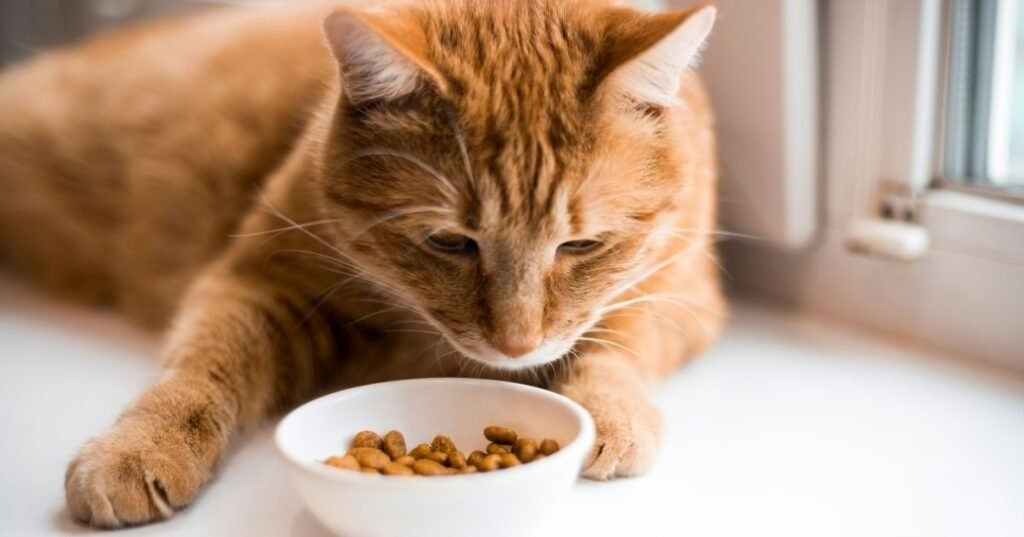
One of the most common questions owners ask is what do cats like to eat when they seem anxious or unsettled. Appetite is usually brought down by stress, further raising concern. Foods that have good smells are usually preferred by cats. Because smell is also a significant factor in feeding behavior, heating up damp food a little can make it interesting. The majority of cats like foods that are rich in proteins like chicken, turkey, salmon and tuna. Foods that are familiar are normally a better option compared to starting brand new diets when times are stressful.
The table below highlights common preferences.
| Food Type | Why Cats Often Like It |
| Chicken | High protein and familiar |
| Turkey | Mild flavor |
| Salmon | Strong aroma |
| Tuna | Attractive scent |
| Wet Food | Easier hydration |
The interpretation of what cats like to eat is particularly crucial in cases where the appetite is reduced. Often, it is not the food itself that enhances eating behavior, but its quiet feeding spot. The other practical observation is related to feeding habits. Cats prefer when meals come at regular intervals. Having uniformity leads to confidence, which can aid in alleviating the sense of anxiety with time.
Cat Calming Treats: Do They Really Help Anxious Cats?
When the behavior change is not reversed by even positive changes in the environment, many owners consider cat calming treats. Such products frequently have ingredients that are aimed at allowing relaxation. Although they are not an alternative of treating the actual underlying cause, they can make some cats more at ease in stressful situations.
Other typical components are L-theanine, tryptophan, chamomile, and calming proteins of the milk. The effectiveness varies from cat to cat. Other owners observe improvements in the context of traveling, taking to a veterinarian or switching homes. Others notice a slight change.
Benefits often associated with calming treats for cat include:
- Improved relaxation
- Easier adaptation to change
- Reduced nervous behavior
- Better tolerance of stressful events
Veterinary advice should also be given an advantage since the symptoms caused by stress may sometimes be signs of a medical problem and not only emotional difficulties. Environmental enrichment is often used in conjunction with calming treats by their owners. This method is usually more effective, as it considers emotional and pragmatic needs.
How to Reduce Your Cat Stress Relief
Cat stress relief requires more than a single solution. A combination of environmental enhancement, predictable routines and behavioral support normally leads to successful outcomes. The first thing to do is to find out the trigger whenever possible. It is quite simpler to formulate a plan once the source is made clear.
1. Veterinary Assessment Comes First
Behavior changes sometimes resemble medical conditions. Hence, when the symptoms are observed without any warning, a veterinary check-up is necessarily. Anxiety-like behaviors may be the result of health problems related to digestion, pain, urinary or hormonal alterations. When needed, a veterinarian can diagnose underlying conditions and prescribe suitable treatment.
2. Professional Behaviour Support
Some situations benefit from expert guidance. Animal behaviorists assess the home setting and determine what triggers can be unknown to the owners. This assistance is particularly handy when working with aggression, spraying, extreme anxiety, or multiple-cat battles. Small-sized environmental modifications can usually generate high results under the instruction of an expert examination.
3. Practical Daily Habits That Build Confidence
Some of the stress management strategies are basic procedures and not necessarily costly goods. Cats like consistency. Scheduling the feeding times, play-time, and sleep schedules is best when kept predictable. Strategies that can be useful are the provision of high-raising resting places, routine, interactive play, and access to rest space. Mental stimulation is also facilitated through puzzle feeders, climbing structures and window perches to enhance confidence.
Building a Home Environment That Encourages Emotional Stability
A calm environment does not need to be elaborate. The vast majority of individuals fail to achieve such a state when they have experimented with many alternatives. It is advisable to consult a qualified behavior specialist and veterinarian before the rehoming consideration. There are a lot of extreme cases that get better after it becomes evident what the problem is. Under certain circumstances, there are environmental constraints that render long-term management to be challenging. The very territorial cat will not be comfortable in a multi-pet house full of noise, whereas the other one will require a more tranquil space.
In cases where it becomes necessary to resettle, it is best to do so with recognized rescue organizations that have the best opportunity to actually secure a good home. A considered transition implies the least amount of stress in contrast to an emergency placement. Thus, it is advantageous to the future carers and the cat to plan well.
What If Your Cat Is So Stressed You Cannot Keep Them Any Longer?
This may be emotionally challenging both to the owners and pets. The majority of people fail to do this with the variety of solutions tried. Prior to thinking about rehoming, a visit to a veterinarian and behavior expert is always welcome. Most of the serious cases are reversible after the cause is known. In certain cases, the environmental restrictions posing challenges on management in the long term. A very territorial cat will not cope in a multi-pet household that is very busy and one might require a more tranquil place.
In cases where rehousing is required, collaboration with reputable rescue houses provides the best opportunity of getting an appropriate place to stay. Considerable placement is less stressful than an emergency placement. So, careful planning is helpful to the cat and the people who will take care of the cat in the future.
Conclusion
Living with cats teaches patience because they communicate differently than people. A problematic cat is sure not to state the problem at hand. Rather, there are little behavioural tips which slowly give us what is going on behind the scenes. Listening to those indicators is a big difference.
Over the years, one pattern appears repeatedly. The vast majority of cats become better when their owners concentrate on the security, routine, and understanding instead of quick solutions. Regardless of whether the solution is environmental modifications, nutritional changes, professional counseling, or mere modifications on and about the home, nontrivial changes may commence with observation.
If there is one takeaway worth remembering, it is this: stress behavior is usually communication, not disobedience. Once you understand what your cat is trying to tell you, helping them becomes much easier. That approach creates stronger trust, better wellbeing, and lasting cat stress relief for both the pet and the owner.
FAQs
Q1. How can I tell if my cat is stressed or simply tired?
Tired cats usually continue normal routines, while stressed cats often show behavioral changes such as hiding, aggression, or appetite loss.
Q2. Can stress make a cat stop eating?
Yes. Anxiety frequently affects appetite and may cause a cat to eat less than usual.
Q3. How long does it take for a stressed cat to recover?
Recovery varies depending on the cause. Some cats improve within days, while others need several weeks.
Q4. What do cats like to eat when they feel anxious?
Many cats prefer familiar foods with strong aromas such as chicken, salmon, tuna, and quality wet food.
Q5. Can moving house cause long-term stress?
Yes. Relocation changes territory and routine, which can affect sensitive cats for several weeks.
Q6. Should I separate cats that constantly compete with each other?
Temporary separation often helps reduce tension while new management strategies are introduced.
Q7. When should I contact a veterinarian about stress-related behavior?
Seek veterinary advice whenever behavior changes suddenly, appetite decreases significantly, or urinary problems appear.
Related Articles:
Rabies Vaccine for Cats: Essential Feline Healthcare
Natural Remedies for Cat Anxiety with Proven Tips and Calming Techniques