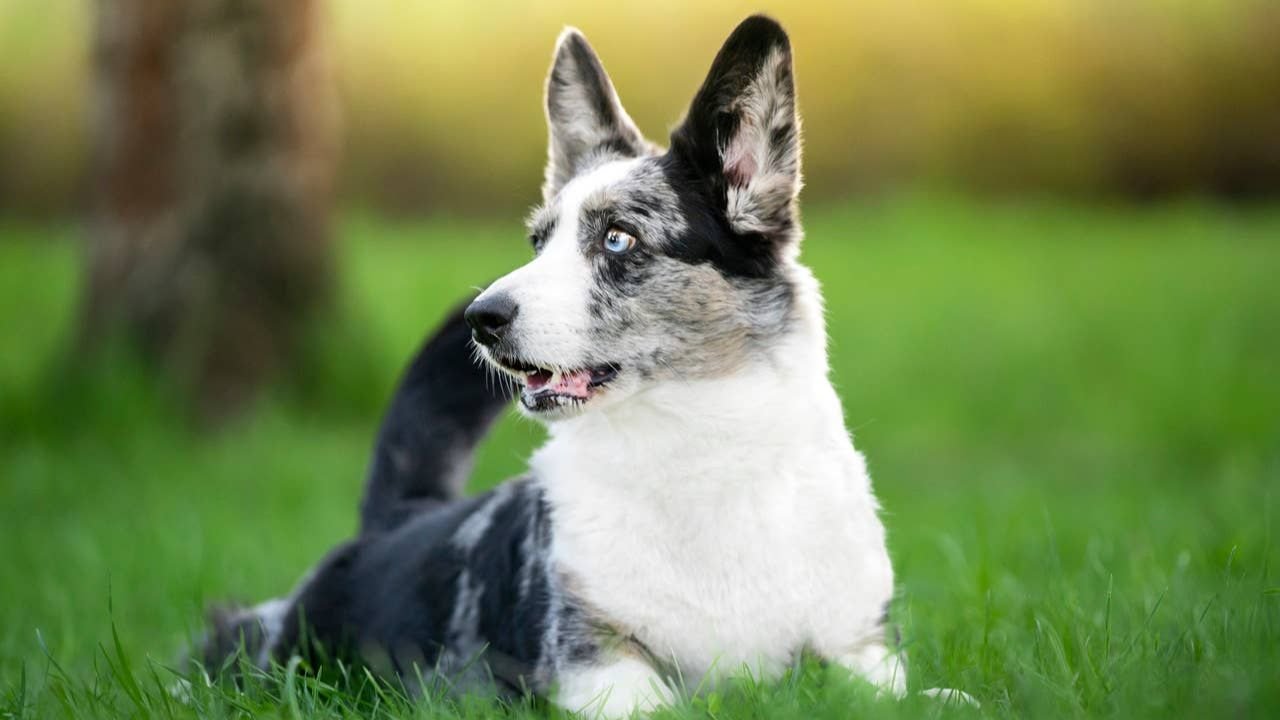
Dogs with Blue eyes make an immediate appearance that most individuals never forget. You can find a Siberian Husky in the park or you can find a picture of an Australian Shepherd on the Internet; there is something that stops you in these icy, pale eyes. Of course, there are numerous lovers of dogs who will be interested in understanding why some dogs have blue eyes and some do not. Luckily, blue eyes are not frequent. This characteristic is affected by specific genetic factors and the majority of the blue-eyed dogs have a normal life span. From the science behind eye color to the best names for dogs with blue eyes, understanding this unique feature helps owners appreciate it even more.
Quick Overview of Blue-Eyed Dog Breeds
| Breed | Genetic Cause | How Common | Stays Permanent | AKC Accepted |
| Siberian Husky | ALX4 gene duplication | Very Common | Yes | Yes |
| Australian Shepherd | Merle gene | Common | Yes | Yes |
| Border Collie | Merle gene | Moderate | Yes | Yes |
| Weimaraner | Low birth melanin | Very Common (puppies) | Rarely | Not applicable |
| Great Dane | Merle/harlequin pattern | Moderate | Yes | Breed-dependent |
| Boxer | Piebald gene | Rare | Yes | Not show standard |
| Alaskan Malamute | Genetic variation | Rare | Yes | Disqualified in show |
| Cardigan Welsh Corgi | Merle gene | Common | Yes | Yes |
| Basset Hound | Piebald gene | Uncommon | Sometimes | Varies |
Dogs With Blue Eyes: Top 5 Breeds Explained
Several breeds produce blue eyes regularly, while others show it only occasionally. Below is a clear breakdown of the most well-known blue-eyed dog breeds along with what makes each one unique.
1. Siberian Husky
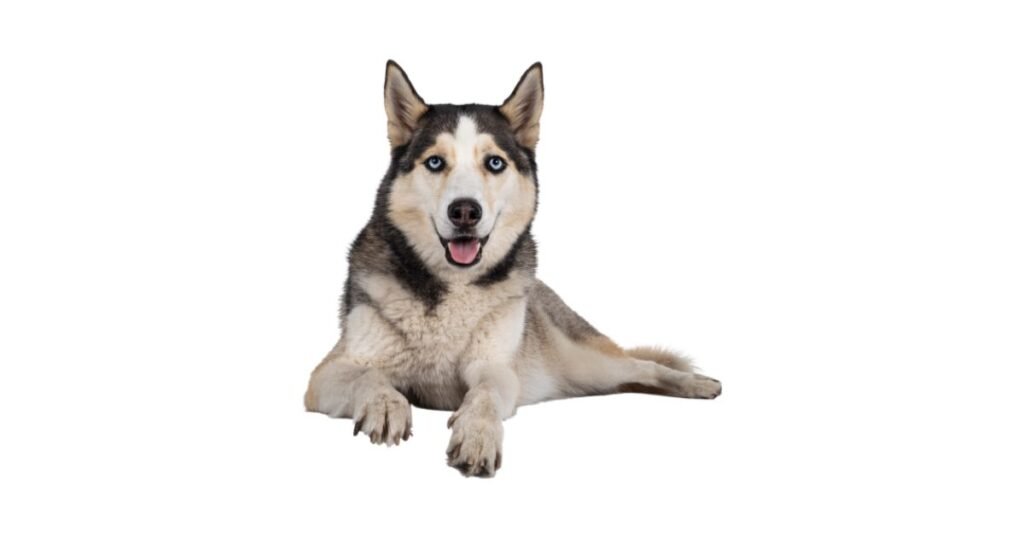
The most recognizable breed of dog in the world is the Siberian Husky, whose eyes are blue. Both eyes are blue, brown or can be with each color. This is a purely ALX4 gene variant, meaning that in Huskies, coat color does not dictate the color of the eyes. Blue, brown and parti-colored eyes are formally recognized in the American Kennel Club standard of the breed.
2. Australian Shepherd
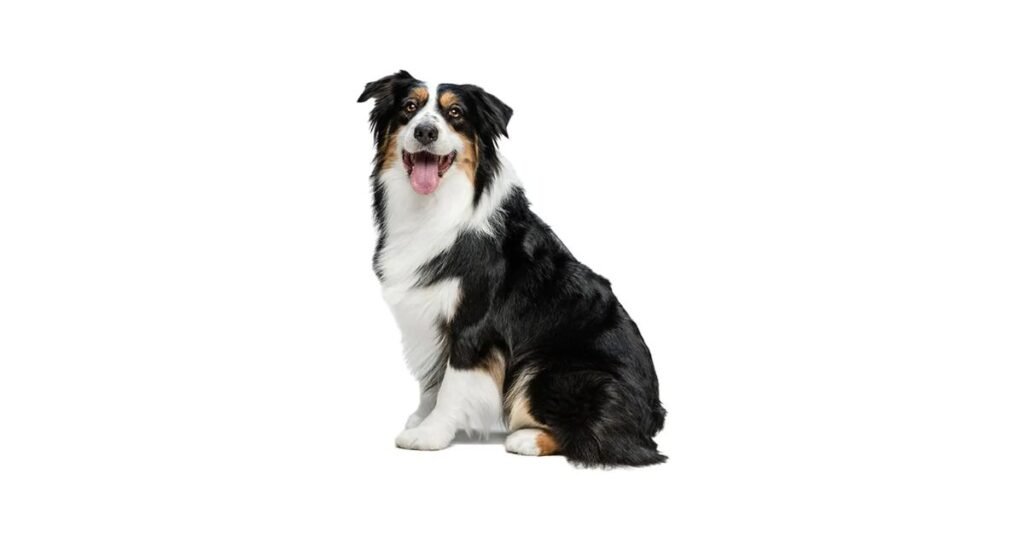
Merle gene contributes significantly to beautiful appearance, including blue eyes, of the Australian Shepherd. This characteristic is usually passed on to blue merle and red merle Australian Shepherds and some actually end up having one blue eye combined with a brown eye (a disorder known as heterochromia). Blue eyes are considered to be an acceptable breed standard in the American Kennel Club (AKC). These, added to their cleverness and their active character, make the Australian Shepherd one of the most visually most distinctive breed of dogs.
3. Border Collie
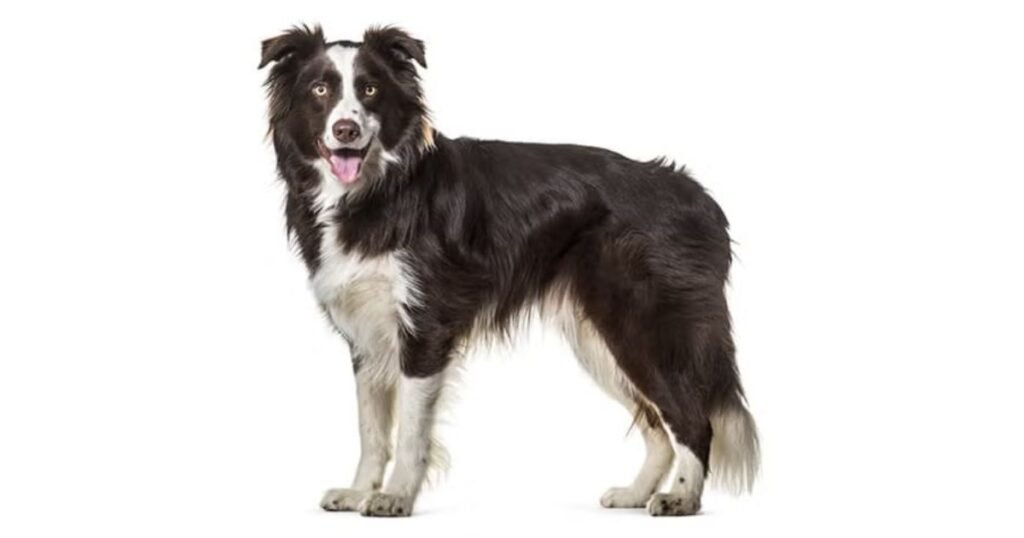
Border Collies eyes are blue in color because the gene of merle, that is, blue, is a contributory factor to it or due to independent pigmentation genes. Although curing half-breeds, merle Border Collies have bluish eyes as the most frequent feature, non-merle dogs could possess this color as well. There are those, who think that Border Collies are among the cleverest kinds of dog in the world and their bright blue eyes only contribute to their impressive appearance. Whenever a person met them, he/she is bound to be impressed by their sharp focus, physical prowess and their unusual eye-color.
4. Weimaraner
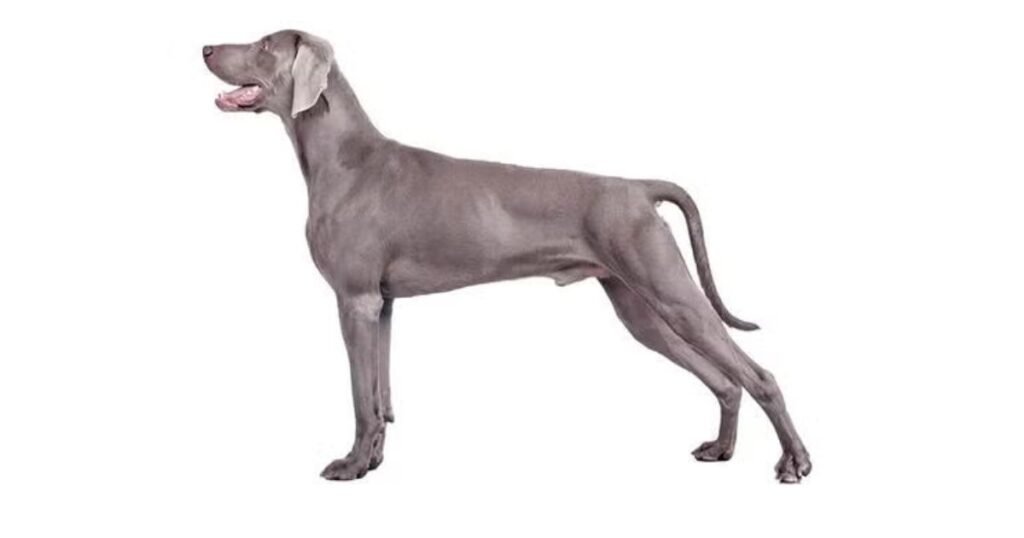
Every Weimaraner pup is born with pale blue-grey eyes. But at about six months of age, this color changes to amber or grey-green. Adult Weimaraner Rare. It is truly a rarity to have adult Weimaraners that still have blue eyes, so the blue eye stage is basically a puppy trait with this breed.
5. Cardigan Welsh Corgi
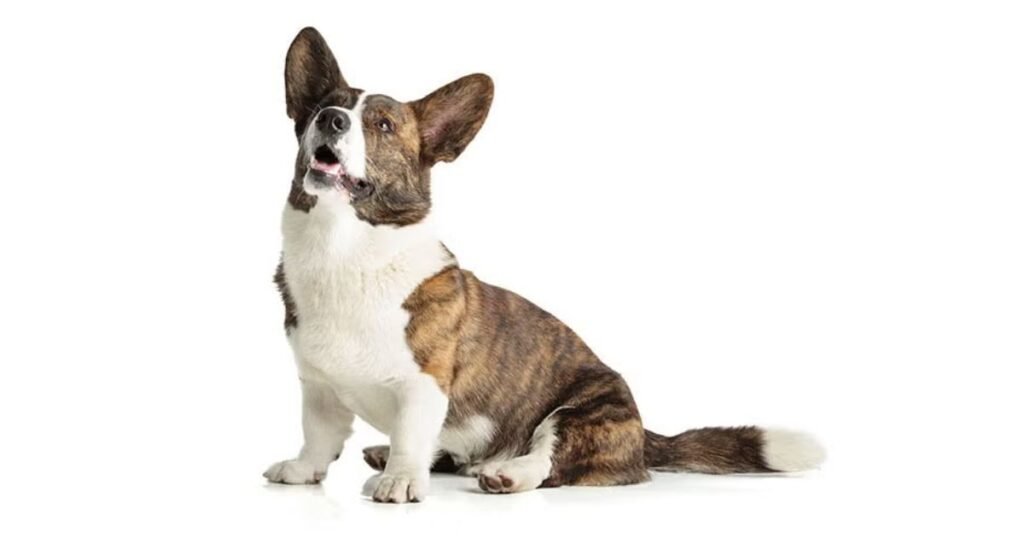
The Cardigan is able to carry the merle gene, unlike the Pembroke Welsh Corgi. Blue merle Cardigans are frequently seen to have blue eyes and it is not IMO that the AKC acknowledges this as within the breed standard. That is why these are one of the reasons why Cardigan Corgis are of great interest to the owners who are interested specifically in the blue-eyed breeds.
Health Facts About Dogs With Blue Eyes
Blue eyes in dogs do not automatically signal a health problem. For breeds like Siberian Huskies, the trait carries no health risk at all. Research confirms that iris color does not affect retinal function or vision quality in any meaningful way.
1. Double Merle Dogs and Deafness Risk
The only real health issue concerns the topic of the double merle dogs, which result from inheriting one more copy of the merle gene. The melanocyte migration to the inner ear is also influenced by the same genes that cause pigment reduction in the double merle dogs. Research estimates that congenital deafness exists in up to 30 per cent of double merle dogs to some extent. This does not mean that the blue-eyed dogs should be ignored at all, but a good reason to require the breeders to provide genetic testing documents before one can purchase a merle-breed puppy.
2. Vision and Light Sensitivity
Blue eyes are not a cause of compromised eye quality in a dog under normal lighting conditions. The dogs are more sensitive to blue and yellow wavelengths, irrespective of their iris color; hence, the color of the eye does not alter what they observe. Animals with light colorations enjoy the advantage of not being in the sun so much during midday, yet the majority of healthy blue-eyed dogs do not require any special protection.
3. Why Dogs With Blue Eyes Look So Striking
When little or no melanin is present in the iris, the eyes end up blue in dogs. The pigment that provides color to skin, hair, and eyes is called Melanin. When there are decreased levels of melanin within the iris, the light is reflected differently and appears blue. This effect is caused in dogs by three principal genetic pathways that act rather differentially based on breed.
4. Merle Gene and Eye Color
Merle gene dilutes pigmentation on the coat and, at the same time, on the eyes. The dogs that have this gene are breeds such as the Australian Shepherd and the Border Collie. That is why merle-patterned dogs seem to get those blue or even partially blue eyes so frequently. The aesthetic effect is spectacular, yet concerned breeders never want to put two merle dogs in the same breeding area due to the serious health risks of the two merle puppies.
5. Piebald Gene and White Coat Connection
The piebald gene makes white spots in the coat of a dog and when the spots spread over the head, the pigment present in the dog is reduced around the eyes. Boxers, Basset Hounds and American Staffordshire Terriers do occasionally exhibit blue eyes due to this gene. Therefore the more extensive the white areas on the face the more likely you are to have an eye color that is lighter.
6. ALX4 Gene in Siberian Huskies
An inherited duplication of genes above ALX4 on chromosome 18 occurs in Siberian Huskies. In this particular form, we find blue eyes, which are entirely independent of the color of the coat. This is the reason why it is possible to have a solid black Husky with bright blue eyes without any merle or piebald gene anywhere in it.
Names for Dogs With Blue Eyes
Choosing names for dogs with blue eyes gives owners a genuinely fun, creative direction. The finest names do not tell what the color is, or what impression those eyes produce; a thing of nature and mythology that possesses the same visual vigor. Short names lend themselves particularly well to training since dogs react better to one- or two-syllable sounds.
1. Nature and Weather Names
- Glacier
- Frost
- River
- Mist
- Ocean
- Tide
- Rain
- Cascade
2. Gemstone and Color Names
- Sapphire
- Cobalt
- Lapis
- Indigo
- Aqua
- Crystal
- Turquoise
3. Sky and Space Names
- Luna
- Nova
- Celeste
- Aurora
- Orion
- Vega
- Lyra
- Neptune
4. Mythology Names for Blue-Eyed Dogs
- Iris (Greek goddess of the rainbow)
- Poseidon (god of the sea)
- Triton
- Thor
- Freya
- Odin
- Athena
5. International Names Meaning Blue
- Azul (Spanish)
- Bleu (French)
- Aoi (Japanese)
- Cyan (Greek origin)
- Niili (Finnish, meaning indigo)
6. Strong Male Names
- Caspian
- Titan
- Ranger
- Mako
- Storm
- Flint
- Slate
7. Elegant Female Names
- Marina
- Celeste
- Nixie
- Elara
- Misty
- Nila
- Daphne
How to Pick the Best Names for Dogs With Blue Eyes
The dog has the right name that befits its character as much as its image. To illustrate, when an Australian Shepherd owner first intended to name her dog with blue eyes Sapphire she had initially planned to name her dog. On seeing the dog run up and down the fields and dashing in all the puddles they could see, River was picked. The name matched who the dog actually was, not just how she looked.
Tips for Naming Blue-Eyed Dogs
- Choose names with one or two syllables for easier training response
- Test the name by calling it out loud several times before committing
- Choose something that remains right when the dog is older.
- Do not use the names that could be used as commands, such as “sit” and “stay”.
- Take into account the energy and personality of the dog and its eye color.
Common Mistakes New Owners Make With Blue-Eyed Dogs
There are a lot of assumptions about blue-eyed dogs that prevail in the minds of many first-time owners. These pitfalls can be avoided by foreknowing them and a great deal of confusion will be avoided.
- Blue eyes mean mixed breed: Pure breeds such as Siberian Huskies do possess blue eyes as a well-documented genetic norm, so the characteristic in and of itself does not tell anything about the purity of the breed.
- Blue eyes cause night vision problems: The layer behind the retina known as tapetum lucidum is in charge of night vision, and is totally independent of the color of the iris, thus blue-eyed dogs see just as well in the dark as any other dog.
- Heterochromia is an indication of disease: Two blue and one brown eye is a genetic variant that is extremely common in Australian Shepherds and Huskies and in any case, affects the animals with no health effects.
- All blue-eyed dogs need hearing tests: Only merle-patterned or heavily pigmented white dogs have an increased risk of deafness, so typical blue-eyed Huskies do not require routine BAER testing unless other risk factors are present.
Final Thoughts
Dogs with blue eyes earn attention for a reason. These light, bright eyes make a feeling that the majority of individuals have not yet been able to describe before they understand what that very feeling is. The trait will be best appreciated whether you already have a blue-eyed dog or you are still struggling to come up with the right name that fits the eyes. Choose a name that will grow with the dog over time and not one that will be good at first sight. All the same eyes will remain as impressive at an age of ten, and the right name will prove to be as right day in and day out.
Know More:
Best Dog Breeds for Families: Choosing Your Perfect Pet
Dog Food Brands for Healthy and Active Dogs in India