Protecting a domestic pet from unpredictable environmental hazards requires a proactive approach to veterinary medicine. Although the former prioritize good nutrition or interactive play, building an effective biological protection against infectious diseases is the most important task of a caring caretaker. Among the various preventative treatments available today, ensuring your pet receives a timely rabies vaccine for cats stands out as an indispensable life-saving measure. Fickle feline health may change in just a few moments once a feline meets an infected wildlife or stray animals close to your home. Hence, being conversant with the defensive healthcare practices will make sure that your pet does not find itself in needless exposure to the life-threatening neurologic pathogens.
In this article, we will analyze virus propagation among mammals and the specific infection timing that veterinarians prescribe to domestic cats. We will also subdivide the monetary aspects of visiting clinics, describe possible physiological responses, and enumerate the healthcare options in the community. This full dismantling of the structure gives you clarity as to what is involved in the normal veterinary course of action, so that you can walk into your next appointment with full confidence.
Exploring the Pathogenesis of Feline Lyssavirus Infections
The changes in feline healthcare are continuous because new veterinary technologies are developing that can keep pets safe against environmental threats. Therefore, it is up to the owners to get conversant with common guidelines of medicine so as to avoid tragic and abrupt diseases within their homes. Health experts underscore the fact that preventive treatment is more effective and cost-effective than treatment of advanced systemic infections. Since domestic animals deal with their living environments in unforeseen ways, the creation of a strong biological barrier via frequent clinic visits forms the determined basis of a prolonged and lively lifecycle.
Salivary Contact and Deep Puncture Wounds
Viral transmission occurs mainly via direct contact with the saliva of a mammalian host that is actively infected. Once a rabid wild animal bites a domestic pet, the virus will be deposited in the salivary glands of the host and into the new wound produced by a bite. This muscular infiltration enables the microscopic pathogen to adhere to local nerve endings, whereby it starts off on a gradual path to the spinal cord. Because the virus travels exclusively through the nervous system rather than the bloodstream, initial symptoms may take weeks to appear.
Alternative Fluid Exposures and Open Scratches
Even though deep bite punctures are the source of the vast majority of infections in felines, there are other ways of exposure that may sometimes be used. As an illustration, an existing open scratch or a scratch on the skin, when exposed to fresh infected saliva, the virus can easily infect the body, the sensitive mucous membrane. This way, even a vicious physical contact with an infected animal can result in transmission of the disease, although there might not be a noticeable bite wound. Any unfamiliar wildlife and suspicious encounter should be viewed by its owner as a potential medical emergency that is to be treated as an emergency requiring a professional examination.
Why Is the Rabies Vaccine for Cats So Important for Pet Longevity?
Prioritizing the rabies vaccine for cats is a critical task because this specific viral condition carries an absolute mortality rate once clinical signs surface. Compared to these tiny feline respiratory parasites or temporary digestive issues, there are no second chances or probases when it comes to a central nervous system infection. So, regular clinical vaccination may be determined as the unique guarantee method of being certain that your feline companion is out of the lethal nervous decline.
Besides the direct biological damage that the virus can inflict, there are also terrible legal and administrative effects of unvaccinated petless households. Once an unvaccinated cat is involved with a potential carrier of wild animals or bites someone, the local health agencies generally react harshly and cost-effectively with a quarantine or euthanasia. These are the violent control actions that are available to have human populace safeguarded against exposure to a deadly zoonotic illness that spreads increasingly fast when transmitted by the animal population. Therefore, keeping your pet with her medical records updated would ensure your home against expensive lawsuits.
Do Indoor Pets Require Regular Biological Protection Options?
An incredibly great percentage of owners presuppose that their cats are under no health threat since they spend all of their time indoors in residential houses. However, the statistics that the veterinary profession produces demonstrate that inside life cannot provide uncompromising protection against those unexpected escapes of animal wildlife or any other unexpected changes in the environment. In this way, vaccination is also extremely important to all domestic cats, regardless of their everyday routine to be safe.
The Problem of Wildlife Intruding into Homes
Wild animals have actively discovered new ways daily, of penetrating residential buildings and hence introducing life-threatening pathogens straight into your living room or in your attic. Even small flying mammals such as bats have no difficulty in forcing their way through broken window screens, open chimneys, or small holes in the roof fascia. Since a fluttering bat is instinctively insectivorous, it will immediately give rise to the violent predatory instincts of a cat. These indoor fights often lead to scratches or bites and an exposed indoor cat faces a direct threat of being exposed to the virus.
Accidental Escapes and Unexpected Situations
Additionally, even the most cautious indoor felines can unexpectedly slip outside through an open door, a torn screen, or during a chaotic household emergency. A domesticated animal that suddenly starts wandering the neighborhood does not have the instinct to stay away from aggressive stray dogs and territorial animals. Moreover, natural disasters, such as floods, fires, or hurricanes, may also make pets homeless and temporarily move them to emergency shelters where they have to live with other animals that they do not know. During such stressful events, you will be glad to have a working biological defense so that you can be assured of a fully protective quarantine for your cat against any sudden transmissible diseases.
Feline Booster Timelines and Immunization Intervals
Building a good medical record to rely on with your pet is contingent upon a number of variables, among them being the local public health regulations and the actual product your veterinarian will be using. Clinical practitioners adjust these preventive measures to ensure that they induce the greatest biological resistance and at the minimal physical disturbance to the body of an animal.
Navigating the Essential Kitten Series
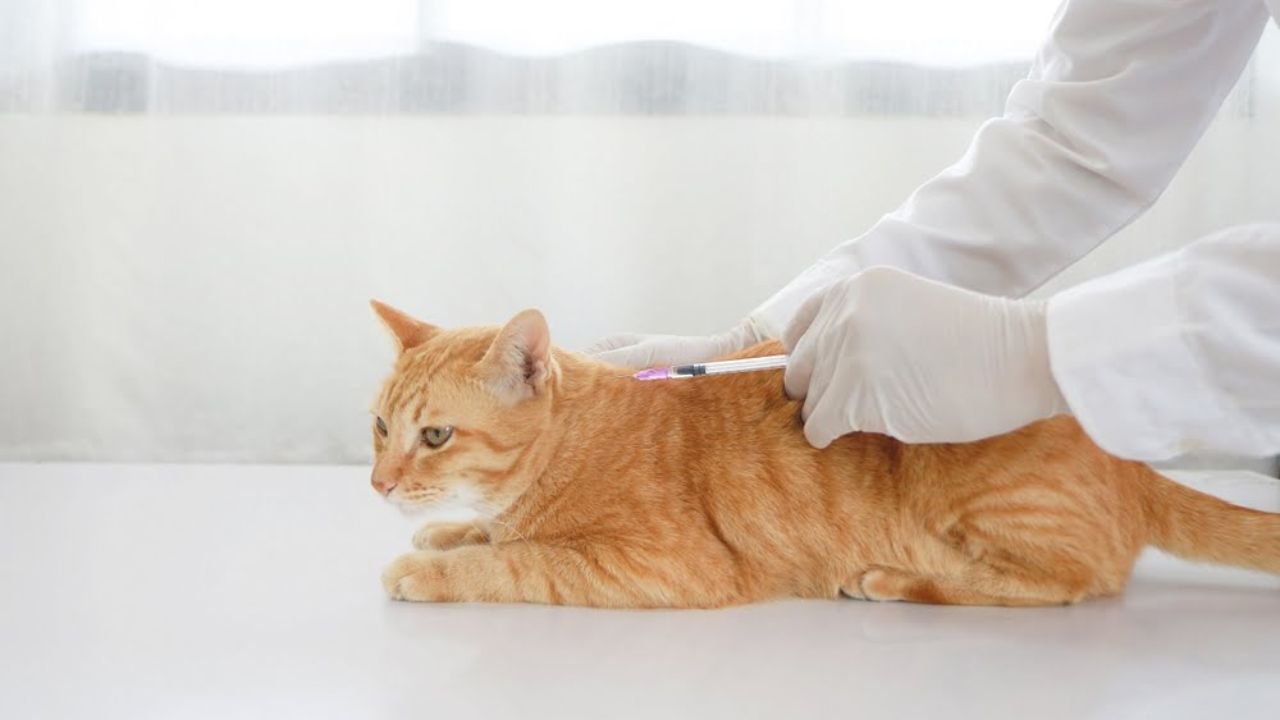
To make sure that their developing immune systems react in the proper way, young kittens need to start their defensive medical adventure at a certain period of time. In most cases, the immunization is administered by veterinarians when the kitten is about twelve weeks old and this is the time when they will be given the first immunization. The time is very important as young kittens still have maternal antibodies that unintentionally cancel out the shot before their system has had a chance to develop permanent defenses. Precisely one year following this preliminary dose, a primary booster injection should be done on the cat to cement its long-term memory with the immune system.
Choosing Between Different Product Formulations
Once a feline successfully completes its initial kitten series, the ongoing maintenance schedule depends heavily on the specific technology behind the medical formula. In contemporary veterinary clinics, the decision usually centers on older adjuvanted designs and much more sophisticated non-adjuvanted ones to ensure an uninterrupted protection throughout the course. Based on the recommendation of their veterinarian, their own budget preferences, and the unique needs of local laws, owners have to select between these various options.
| Formula Type | Booster Frequency | Manufacturing and Clinical Characteristics |
| Adjuvanted Options | One-Year or Three-Year Cycles | Incorporates chemical additives to enhance the body’s immune reaction over time. |
| Non-Adjuvanted (Annual) | Every Twelve Months | Utilizes pure viral proteins without extra additives; requires a consistent yearly clinic appointment. |
| Non-Adjuvanted (Triennial) | Every Thirty-Six Months | Advanced long-term technology; reduces injection frequency while providing robust protection. |
Understanding Typical Clinical Side Effects and Adverse Reactions
The vast majority of felines tolerate modern preventative injections exceptionally well, experiencing no major disruption to their standard daily routines. Decades of strict safety testing and refining manufacturing methods have made these modern veterinary formulas incredibly safe and highly reliable.
Common and Manageable Physical Reactions
To be healthy means that a cat will exhibit harmless, temporary physiological signs when its immune system works hard to reject the injection. Such standard reactions are usually manifested within a few hours of the appointment and dissolve on their own in two days, without medical interventions. Your cat may lie there more or less of the time, sleeping or resting in a low-disturbance place in the house, or experience a temporary increase in body temperature, or miss one meal. Also, you can find some localized swelling or tenderness at the position of needle entry of the skin tissue, which disappears soon independently.
Identifying Rare and Serious Allergic Emergencies
A very low proportion of individual felines, on the other hand, may have an acute, severe allergic reaction immediately after the clinical injection. According to clinical statistics, these severe systemic reactions are more likely to be seen in less than ten out of every ten thousand recipients of vaccines. In case your pet has acquired visible facial swelling, hives, difficulty in breathing, chronic vomiting, or your pet suddenly becomes unstable, you need to provide emergency help. Fast-moving drugs can also be used by veterinary teams to quickly reverse such rare allergic occurrences, so that your cat goes back to a stable and comfortable state.
How Much Is a Rabies Vaccine for Cats in Modern Veterinary Practices?
When organizing your annual household pet budget, understanding the financial side of preventative veterinary medicine helps you plan ahead. If you are calculating how much a rabies vaccine for cats costs, you should recognize that total expenses depend heavily on your location and clinic type.
Analyzing Formula Upgrades and Manufacturing Costs
The primary factor driving the price of an individual injection is the specific manufacturing technology used to create the medicine. Highly refined non-adjuvanted formulas cost significantly more to produce than older styles that rely on chemical additives to spark an immune response. Additionally, purchasing an advanced three-year non-adjuvanted injection will require a larger upfront financial payment than buying a basic annual shot. However, choosing the three-year option often reduces your total veterinary expenses over time by cutting down on the overall number of mandatory clinic appointments.
Comparing Community Resources and Private Clinics
The specific type of facility you choose to perform the medical procedure also greatly impacts your final receipt at checkout. By aligning their personal financial resources with the relevant level of local veterinary care, pet owners can save money. E.g. Pop-up clinics and mobile clinics will give hasty, expedited injections at a fee between fifteen and thirty-five dollars. Conversely, a private full-service veterinary hospital typically charges between fifty and ninety dollars for the appointment because they combine the injection with a mandatory physical exam.
Final Thoughts on Administering the Rabies Vaccine for Cats
Securing a consistent rabies vaccine for cats serves as an invaluable investment in the long-term safety and stability of your entire household. This simple medical procedure forms a vital biological barrier that has prevented the deadly neurological virus from totally escaping your home pets. Also, by keeping up with these regular booster shots, your family will always be in the clear with your local economic regulations regarding the health of your community. Through this proactive way of handling these mere clinic visits, you can save unfortunate situations with characters in the wild and give your companion a solid basis for a joyful life.
Also Read About: Rabies Vaccine for Dogs | How to Brush Cats Teeth