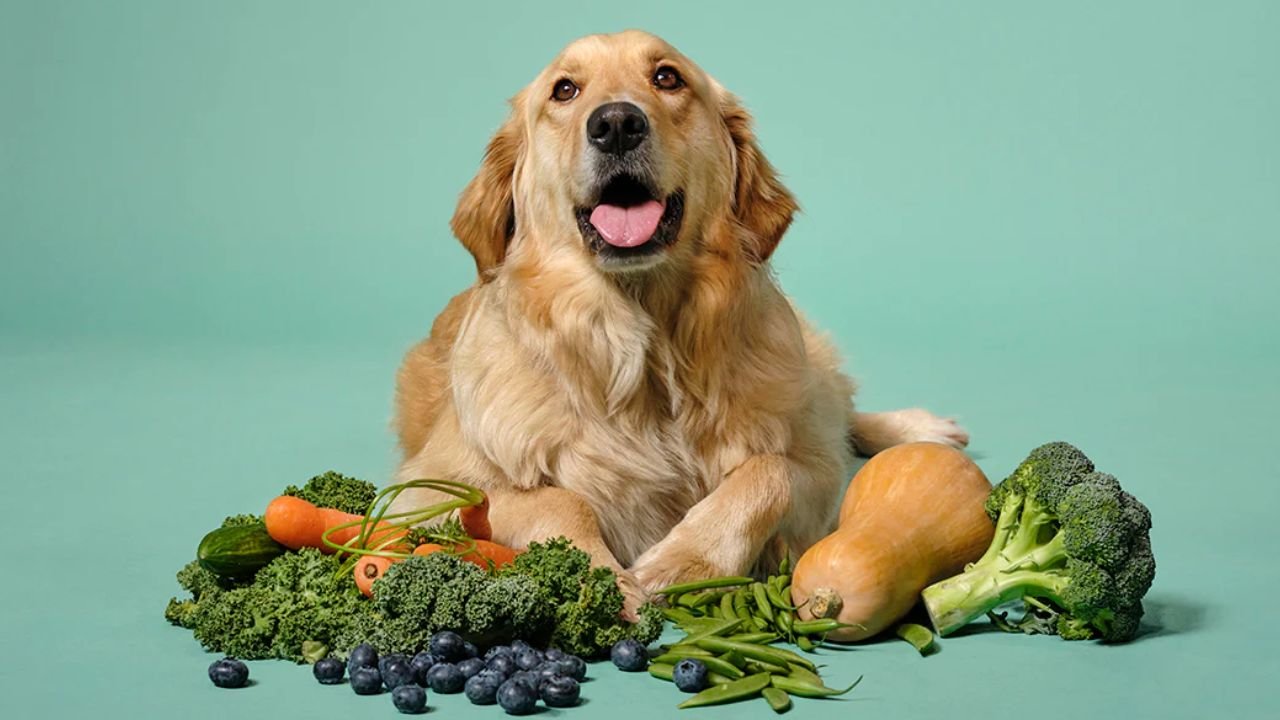
When you think about improving your dog’s diet, you probably imagine expensive food or supplements. However, simple kitchen ingredients can do the job just as well. A lot of pet owners have started to delve into veggies for dogs as it is natural, cheap and quite simple to cook. Besides, vegetables have fibers and other nutrients that promote good health in the long term, yet do not lead to calorie consumption.
Simultaneously, not all dogs are suited to all vegetables. There are those that enhance digestion, others increase immunity or maintain weight. So one will need to know what and how to serve. This article will teach you what veggies are good for dogs, how they contribute, and how to feed them safely in our everyday meals.
You will also learn which veggies are the best for the dogs. Both choices are accompanied by easy feeding hacks and advantages. This way, you will feel more secure in the decisions you are making towards your pet, in being healthier.
What Are Veggies for Dogs?
Veggies for dogs refer to safe vegetables that you can include in your pet’s diet in small portions. Main meals are not substituted, but these foods update the total nutrition. In addition, they contain fiber, vitamins, and minerals, which enhance digestion and immunity.
Moreover, vegetables can be used to control weight as they contain fewer calories. Dogs tend to become fuller easily, hence they consume less processed food. Hence, a lot of pet owners give their pets healthy snacks of vegetables.
| Factor | Benefit for Dogs |
| Fiber | Improves digestion |
| Vitamins | Supports immunity |
| Low calories | Helps weight control |
| Hydration | Maintains body balance |
As you continue reading, you will discover the best veggies for dogs and how each one contributes to better health.
10 Best Veggies for Dogs
Choosing the right veggies for dogs can feel confusing at first. But when you realize the fundamentals, then it becomes easy and feasible. Dogs do not require complex diets in order to be healthy. They also enjoy natural foods which contain fiber, vitamins and hydration. The vegetables are the best fit for this concept since they aid in the digestive system and well-being in general. In addition, they contribute to decreasing reliance on processed sweets, which can have an unjustified number of additives.
Several pet owners also experience observable improvements when they start introducing vegetables gradually. Dogs are more active, digestion is more pleasant and the weight is easier to control. Meanwhile, you should never so much as ruin vegetables, or even season them. Today, we are going to dive into the most appropriate veggies for dogs to feed them, so you can be sure to add them to the diet of your pet.
~ Pumpkin for Digestive Balance
Pumpkin is among the surest veggies that dogs can consume as it promotes the gut system in a non-coercive manner. It has soluble fiber that regulate bowel movements. Pumpkin helps in the absorption of loose stools in your dog and increases consistency. However, when your dog is treated (inconstipated), the solution is to get everything flowing naturally. Moreover, pumpkin also has nutrients that aid skin and general immunity.
Cooked pumpkin, without any spices, can simply be added to the food of your dog. Always prevent unnecessary ingredients and use unsweetened and unspiced ones. Begin with a moderate amount and continue building upon it in case your dog enjoys it. Pumpkin is used by several pet owners due to regular application since there are no side effects and at the same time it is providing similar results. Consequently, it will be a reliable component of a well-balanced diet.
~ Carrots for Crunch and Nutrition
Carrots offer a simple yet effective way to improve your dog’s diet. They contain a lot of beta-carotene, which boosts immune function as well as vision. In addition, their crunchy texture boosts the cleaning of teeth, and it decreases the amount of plaque. This not only makes them healthy and convenient, but also a snack. Carras highly pleases fields with carbots as one of their favorite meals to chew on and also keeps the dog’s mind busy.
You may offer carrots, uncooked or slightly cooked to the taste of your dog. They must never be cut bigger than small or choking may result. Despite the fact that carrots have natural sugars, moderate amounts have been found to have good results with most dogs. Most of the owners treat their pets to carrots during training due to their healthy nature and convenience. Thus, they continue to be an excellent option among individuals, who wonder what veggies dogs should eat.
~ Green Beans for Weight Control
Green beans are widely known for supporting healthy weight management in dogs. They contain low calories, yet are high in fiber, which makes your dog feel full, but longer. Consequently, your dog will get to consume less but feel satisfied. Moreover, green beans contain vitamins that promote good health without unnecessary fats.
Green beans cooked in the same steamed or boiled without salt or flavour. Do not use high-sodium varieties that are canned. Here, you have to slowly introduce them into the meals of your dog and see how he/she reacts. Most owners discover that green beans can minimize the beggy behavior since dogs are less dissatisfied. Therefore, they prove useful in terms of ensuring a well-balanced diet.
~ Broccoli for Immune Support
Broccoli contains some of the necessary nutrients that can boost the immunity of your dog. It is well-balanced and contains vitamins and antioxidants that are supportive to overall health and fight inflammation. But balance should be taken in the consumption of broccoli food since excessive consumption could lead to stomach problems. As appropriately used it can be added to the diet of your dog.
Broccoli constantly is chopped into small sections (florets) and consumed cooked or uncooked in small amounts. You do not need to add oil or spices to them: they may be harmful to your dog. Broccoli is easily accepted also in those dogs that enjoy crunchy foods. With time, you will be able to experience better health and increased energy. This is the reason why when given rightly, broccoli is one of the best veggies for dogs.
~ Sweet Potatoes for Energy and Fiber
Sweet potatoes are a good source of vitamins and natural energy. They contain vitamin A that is useful in the healthy development of eyes and skin. Secondly their fiber causes them to retain a healthy digestive system. Majority of the dogs do not hesitate in terms of taste as they possess a tendency to taste sweet in nature.
Sweet potatoes should never be eaten in raw form but it should be cooked in a manner that they are easily digestible. Boiling or steaming will be good and older dogs can also enhance their texture by bashing them. However, the availability of sugar needs to be controlled in portions. When eaten moderately, sweet potatoes contain good amounts of taste and nutrition.
~ Spinach and Kale for Nutrient Density
Spinach and kales, which are leafy greens, are rich sources of various nutrients that benefit your dog’s body. They contain a lot of calcium, iron and vitamins that aid in developing strong bones and good blood flow. They are what most of the owners consider when they consider what veggies are enjoyed by the dogs to include in their meals per day.
These greens can be eaten either as small portions, raw, or boiled. Following excessive consumption, however, can cause digestive discomfort and therefore, balance is of importance. Acceptance may be enhanced by mixing them with normal food. This means that consuming foods with additional nutrients is added to your dog without a significant overhaul in eating habits.
~ Zucchini for Gentle Digestion
Zucchini is a light and easy to digest to dogs with sensitive stomachs. It has the necessary minerals and is also low in calories. This is perfect to cats with mild and balanced requirements to be added to their food. Furthermore, it is soft and hence easily chewable and digestible.
Zucchini can be eaten in its delicious raw or cooked form. Cut it in small pieces in order to be safe. Zucchini is a non-controversial food to which dogs tend to be attracted. In the long-term, it aids with easy digestion and brings variety to the diet of your dog without any troubles.
~ Peas for Protein and Energy
Peas are a source of plant proteins as well as valuable vitamins and minerals. They enhance the growth of the muscles and sustain the energy in the active dog. Moreover, they are rich in nutrients which lead to general well-being. Thus, peas are commonly seen when it comes to the most appropriate veggies to offer dogs.
Steamed or boiled without salt, serve peas. Canned peas should be avoided as they can be having added sodium. Although facing the general safety of peas, they should not be overfeed. Equal quantities make sure that your dog reaps the benefits without problems with digestion.
~ Cauliflower for Antioxidants
The presence of antioxidants in cauliflower can help in preventing destruction of body of your dogs due to the presence of free radicals. It is a source of fiber as well, and this promotes the digestive system. Large amounts could however cause gases and thus, it is important to manage portions.
Prior to service slice cauliflower into small sizes. You can eat it raw or half cooked as you wish with your dog. When feeding your dog, it is better to be on watch lest it chokes. When eaten in low quantities, cauliflower is also good to the digestive system to supply nutrients.
~ Beetroot for Skin and Coat Health
Beetroot promotes the health of the skin and coat because it is an antioxidant. It is also rich in water and fiber that aid in ensuring that one is hydrated and digesting. Beetroot is a frequently used ingredient in the diet of pets to enhance the gloss of the coat and generally their appearance.
Beetroot cooked and cut into small pieces should be served. There can be slight variations in the color of urine, a normal occurrence. Nonetheless, chronic alterations begin to be treated by a vet. Beetroot, when used right, would be a welcome supplement to a balanced diet.
Conclusion:
Including veggies for dogs in daily meals can improve health in a natural way. These foods aids digestion, weight and energy. By making safe choices and presenting them rightly, you make a better life of your pet. Begin with a few, be regular and see how it goes. Gradually, you are going to enjoy these simple yet effective additions with your dog.
Also Read About: