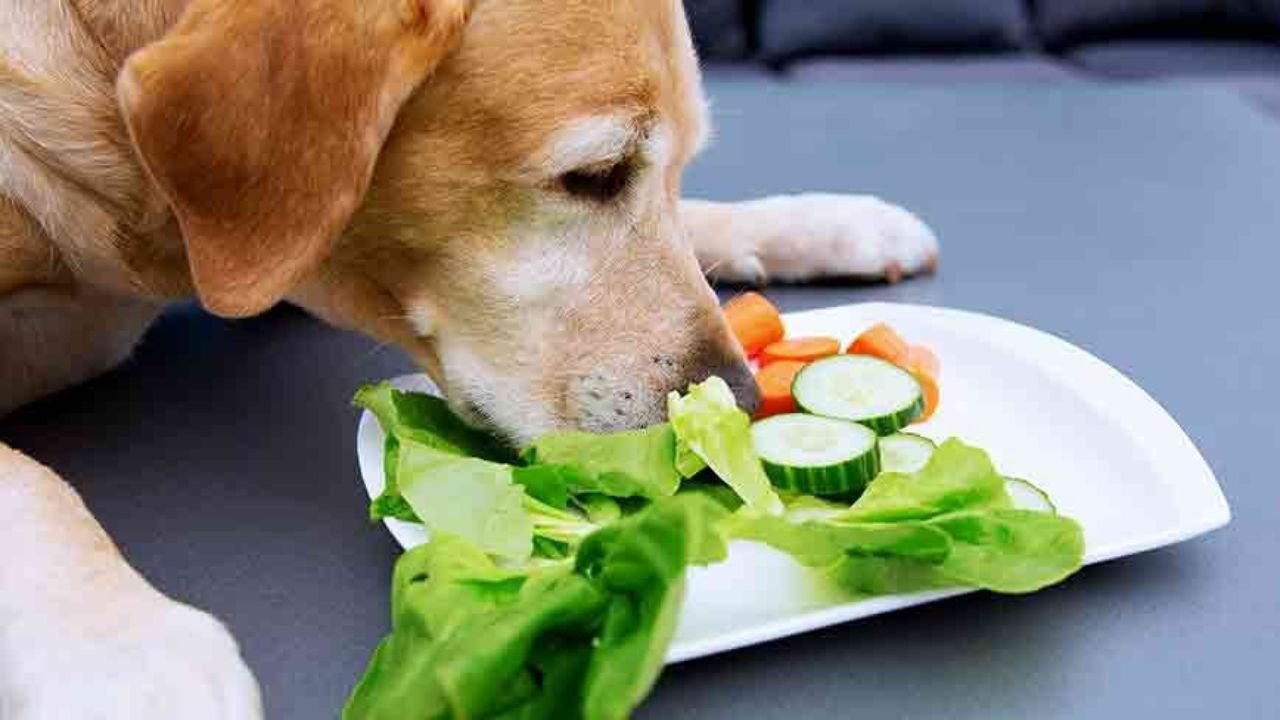
Dogs often look at your plate with curiosity. You might feel tempted to share your food. However, not everything you eat suits your dog. That’s why many pet owners search for what fruits and vegetables can dogs eat to make safe choices. As a matter of fact, fruits and vegetables may contribute to the health of your dog. They are a source of vitamins, fiber and hydration. Nevertheless, they must never substitute a balanced dog diet. They are more effective as occasional delights.
In addition, the consumption of the proper foods creates health in the long term. It enhances digestion, immunization, and even dental treatment. But, poor decision-making may cause severe issues. Therefore, it is necessary to know what fruits and vegetables dogs can consume. It is all clear in this article. It includes safe choices, dangerous foods, feeding information and common errors. Consequently, you will be more comfortable feeding your dog.
Key Facts About Fruits and Vegetables Dogs Can Eat
Dogs can eat both plant-based foods and animal-based foods because they belong to the group of omnivorous animals. The reason behind this is that dogs can eat fruits and vegetables as part of their meals. The foods must not exceed their daily intake requirements for consumption. The foods provide essential nutrients because they come from nature. The example shows that vitamins help the immune system while fiber supports the digestive process.The body contracts a harmful effect when more of it is consumed than necessary. Thus, moderation is important.
When people ask what fruits and vegetables can dogs eat, they often forget preparation. Cleaning, cutting and portion control are also as important as food choice.
Important Points:
- Fruits and vegetables should stay under 10% of the diet
- Always serve fresh and clean food
- Avoid seeds, pits, and harmful parts
What Fruits and Vegetables Can Dogs Eat and What to Avoid
The knowledge of safe and unsafe foods will help you protect your dog from danger. Some foods are healthy whereas others are very dangerous. The healthy alternatives which include carrots and apples and peas provide people with beneficial options. People must treat even safe food products with proper handling procedures.
Safe and Unsafe Food
| Food Item | Safe | Unsafe |
| Apples | ✔ | |
| Strawberries | ✔ | |
| Carrots | ✔ | |
| Peas | ✔ | |
| Grapes | ✘ | |
| Onions | ✘ | |
| Garlic | ✘ |
As an example, grapes and raisins are harmful to kidneys. Equally, onions and garlic influence red blood cells. In addition to this, tomato leaves and raw potatoes contain harmful substances, which are deadly. They should therefore be avoided at all costs. Not to mention, your dog can also ingest something unsafe but you must do it fast. Contact a veteran and make contact. The measures can be implemented in time to prevent severe problems.
Fruits That Fit Into a Dog’s Diet and Are Safe to Eat

Fruits may also offer diversity, water and natural vitamins to your dog. Nevertheless, it is always important to take small portions since fruits have natural sugars. Also, it is necessary to prepare properly as seeds, peels, and cores may hurt. When individuals are investigating what dogs can consume, fruits tend to be the simplest place to begin because most dogs tend to like the flavor.
1. Apples for Fiber and Fresh Breath
Apples are also good snacks that are refreshing. These are vitamin A, vitamin C and dietary fiber that combined are beneficial in digestion and immunity. Moreover, chewing on slices of apples can clean the teeth of your dog and make him/her have a better breath. Nevertheless, the core and the seeds should never be left in since they have traces of cyanide. Thus, chop apples into small bits and then serve them to your dog because you can be sure that he will chew them without any risk.
2. Strawberries for Immunity Support
Strawberries contain antioxidants and vitamin c that boosts the immune system of your dog. In addition, they have manganese and fiber that help in maintaining health. Dogs tend to love their natural sweetness hence, make good use as a occasional treat. Nevertheless, processed or sugary products of strawberries should be avoided. Rather, keep things safe and balanced by serving fresh strawberries in small, chopped pieces.
3. Oranges in Small and Controlled Portions
Oranges contain vitamin C and water and to some extent can be beneficial to your dog. Nonetheless, they have natural sugars, thus excessive feeding can lead to digestive problems. Also, it can make your dog sick in the stomach, and thus you should completely peel it. Give very few pieces at a time and see the response of your dog. This way, you can safely include oranges while understanding what fruits and vegetables can dogs eat.
4. Ripe Tomatoes with Proper Caution
In their proper form, Ripe tomatoes can be safe to dogs. They are rich in vitamins and antioxidants that are favorable to the overall health. But tomatoes, leaves, and stems that are not fully ripened will have solanine which is poisonous. Because of this fact, you should sell only full red tomatoes, which are fully ripe in small quantities. Also, watch your dog after you feed it to ensure that there is nothing wrong with it.
Vegetables That Fit Into a Dog’s Diet and Are Safe to Eat
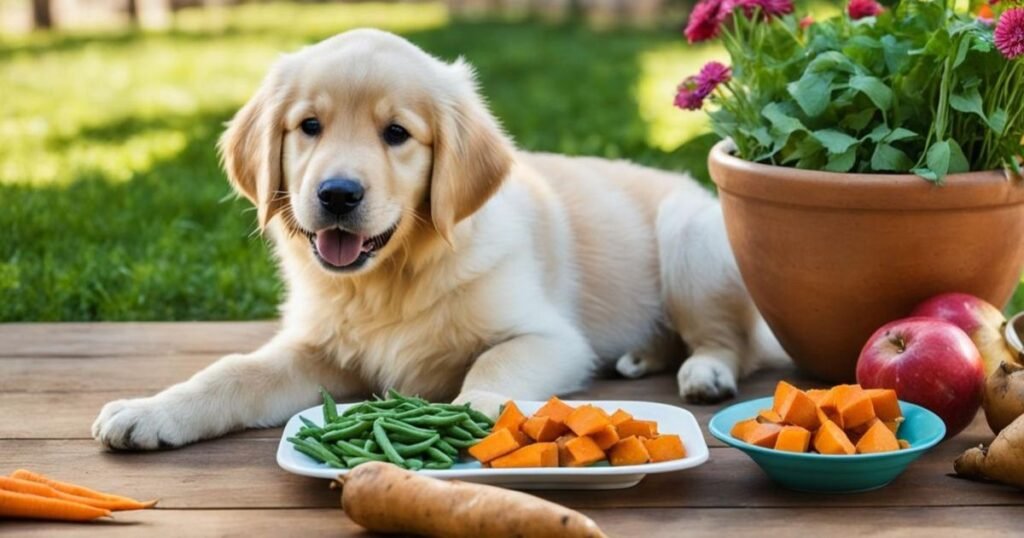
Fruits are not necessarily the most useful than vegetables as they contain less sugar and more fiber. Therefore, they aid in digestion and weight control and health. In the case of what fruits and vegetables can dogs eat, the vegetables normally come out as the safer day-to-day choice. However, there are other considerations such as preparation and portion control that are also applicable in maintaining digestive issues at bay.
1. Carrots for Dental Health and Low Calories
Carrots are regarded as the best natural snacks to dogs. They are low-calorie and have high fiber content, which is digestive. Besides, they are also crunchy thus cleaning teeth and reducing plaque. You may eat carrots raw and chew them or cook them lightly and make them easier to digest. Carrots are extremely diverse therefore they can be included in a balanced diet.
2. Green Peas for Protein and Nutrients
Green peas provide essential vitamins A B C and K together with protein and fiber. The nutrients in them help maintain energy levels while supporting muscle health. Peas can be easily prepared because they can be consumed either in their fresh state or after steaming. Salt and seasoning must not be added to the dish.
3. Sweet Potatoes for Digestive Support
Sweet potatoes contain a lot of vitamin A and dietary fiber. They help in the improvement of digestion and immune. However, Raw sweet potato is not very easily digested which makes it necessary to cook. Steamed or boiled pieces of sweet potatoes are the best. You should also eat them in small quantities since over consumption of fiber may cause stomach upset.
4. Green Beans for Fiber and Fullness
Green beans are also healthy choice as they are sources of fiber and essential nutrients. They will assist in making dogs feel full without excessive calories. Nevertheless, overfeeding on green beans can result in gases or bloating. Cooked green beans hence are superior to raw ones as they are easily digestible. Having them simple and moderate will make your dog comfortable and healthy.
5. Cabbage for Skin and Digestive Health
Cabbage contains vitamins and antioxidants that promote the health of the skin and digestion. It is also rich in fiber that controls bowel movements. Nevertheless, cabbage may give rise to gas in case it is added too fast. This is the reason why you need to begin with small portions and then progressively increase the portion. Your dog can also find it easier to digest cabbage cooked lightly.
Safe Feeding Practices for What Fruits and Vegetables Can Dogs Eat
Choosing safe food is not enough. You must also focus on preparation. Proper feeding techniques save your dog. First, fruits and vegetables should be washed at all times. This eliminates dirt and chemicals. Then cut them into tiny pieces. This minimizes choking. Moreover, eliminate seeds, pits and hard shells. Such sections are usually toxic. Do not add salt, sugar or spice either. Dogs do not require seasoning.
Simple Feeding Steps:
- Wash thoroughly
- Cut into small pieces
- Remove harmful parts
- Serve plain without seasoning
An illustration is when a dog owner gave raw sweet potato. The dog experienced digestive problems. Subsequently, the issue was addressed with cooked pieces. It demonstrates the importance of preparation. So, looking at the list of fruits and vegetables that dogs can consume, always remember how to serve them.
What Fruits and Vegetables Can Dogs Eat: Why Portion Control Matters in their diet?
Healthy foods can be harmful to your dog when you overfeed him. Hence, portion control is still necessary. Fruits are also a source of natural sugar. When they are over fed, they could lead to weight gain or stomach upset. Vegetables are less dangerous, but even excess fiber may cause gas. In addition, dogs require balanced diets. Excessive snacks may lower the consumption of normal food.
Portion Guide:
- Small dogs: 1–2 pieces
- Medium dogs: 3–4 pieces
- Large dogs: 5–6 pieces
Therefore, Balance is beneficial in keeping healthy. With proper portions, it becomes easier to manage the fruits and vegetables that dogs can consume. Also, note the response of your dog. Change portions according to their comfort.
Nuts and Similar Foods Can Dogs Eat
Many people assume nuts are healthy for dogs. However, this is not true in most cases. Macadamia nuts are very toxic. Even small quantities would lead to weakness and vomiting. Dogs can also be affected by salted nuts as it elevates sodium level. Moreover, shells of nuts may also obstruct digestion. This creates serious risks. Not all peanut butter is safe, but it can be safe provided that it is free of dangerous additives. Nevertheless, moderation is still relevant.
Key Points:
- Avoid most nuts completely
- Check ingredients carefully
- Never feed salted or flavored nuts
Common Mistakes While Choosing Fruits and Vegetables Can Dogs Eat
Most owners of pets commit simple mistakes without knowing the hazards. Nevertheless, these errors can be prevented, and in such a way, your dog will become healthier. There are those who feed raw potatoes or unripe tomatoes. Others forget to remove seeds from fruits. In addition, overfeeding sweet fruits is common.
Common Errors:
- Feeding toxic foods unknowingly
- Ignoring preparation steps
- Giving large portions
- Adding seasoning
In addition, others think that all natural foods are safe. This is not the case. Hence, never feed anything new without checking. Understanding what fruits and vegetables can dogs eat requires both knowledge and careful action.
Conclusion:
Understanding what fruits and vegetables can dogs eat helps you make safer food choices every day. Your dog will stay active and healthy when you make correct dietary choices. You can use low-risk foods which include carrots and apples and peas to provide additional nutritional benefits. Nevertheless, you must remember always to take small portions and in balance. Simultaneously, you should avoid dangerous foods and pay attention to the reaction of your dog to new things. Minor modifications to the diet can go a long way in the long run. When you are attentive and disciplined, eating becomes natural and hassle free. Ultimately, when you are aware of which fruits and vegetables can be eaten by dogs, you can take great care of your pet.
Also Read About: Best Grain Free Cat Treats for Healthy & Happy Cats