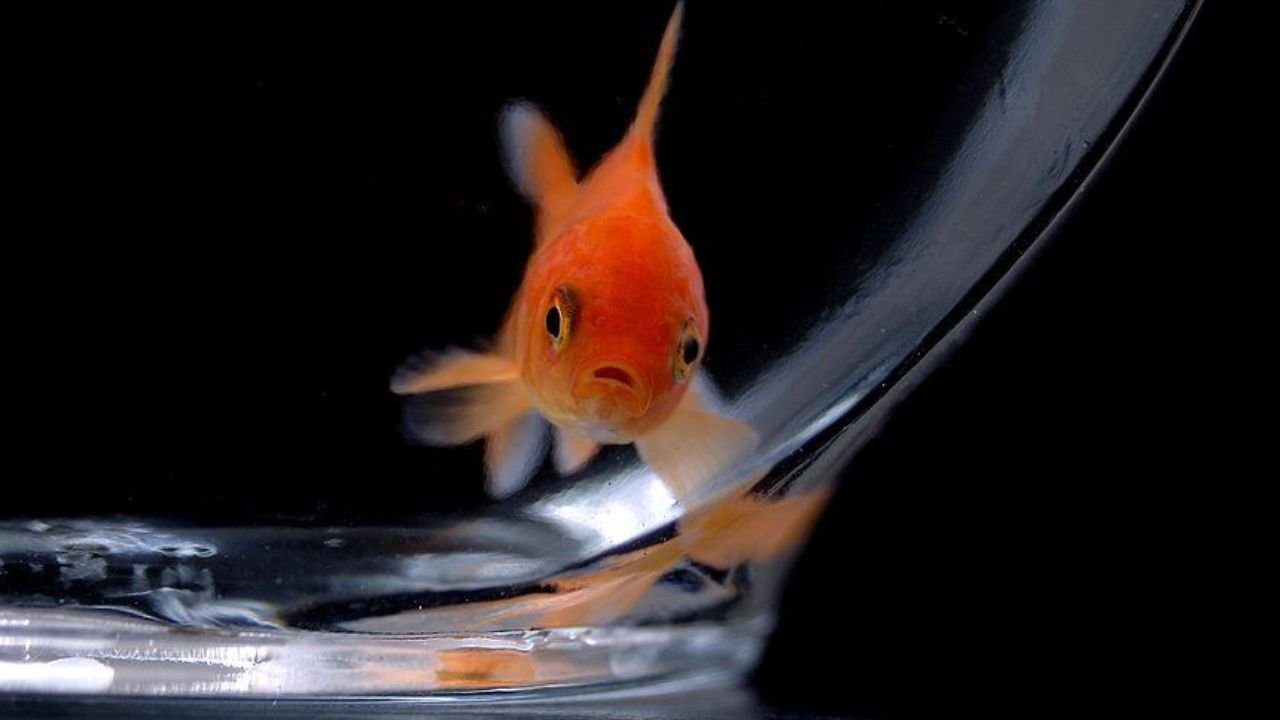
Aquarium fish may appear to be calm but with a little inner disproportion, it will cause havoc in their movement. A problem so evident is the swim bladder disease, which occurs and influences the ability of fish to float and remain stable in the water. People who keep fish are the first to notice it when a fish abruptly starts to float upside down or sinks without body control. This is, of course, worrying, particularly to novices.
But it is not invariably dangerous provided that the disease is treated in time. The majority of the cases can be better with the help of just two little manipulations in feeding and tank care with the right knowledge. In the subsequent passages, you will have a clear understanding of what this condition is and how symptoms manifest, causal factors, and how recovery progresses step-by-step. This intensive elaboration will also make you avoid such predicaments later as you conserve a sickly aquarium ecology.
What is Swim Bladder Disease?
Swim bladder disease is a term used to describe the state in which the fish is unable to maintain the right level of buoyancy. A gas-filled internal organ that aids in maintaining balance, without strain, in fish is the swim bladder. Fish can and will rise, sink and stand still when properly. But once it is derailed, imbalance issues begin to occur. It is not an indicator of a particular disease. Rather, it encompasses various problems associated with digestion, pressure, or stress in the environment.
That is why it is necessary to determine the underlying cause to treat the patient. In most instances, the problem is orchestrated by improper feeding or abrupt variations in the water temperature. Interestingly, overfeeding and a lack of swimming space are causes of interest when it comes to the occurrence of swim bladder disease betta. Hence, maintaining proper tank conditions plays a major role in avoiding this issue.
Early Signs of Swim Bladder Disease in Aquarium Fish
Fish are silent, and show their ways of dissatisfaction, which makes observation the most important thing in preventing diseases. First of all, movement patterns change in this state. Hence, paying special attention to the style of swimming will enable one to diagnose the problem early on. Furthermore, the symptoms can be sudden or slow in developing. In either case, being knowledgeable about each sign is a way to avert more complications. The most evident symptoms are explained in the following.
1. Uncontrolled Floating or Sinking Behavior
Those fish with this condition tend to lose their capability of remaining at a certain level. Consequently, others always stay on the surface, whereas some remain at the tank bottom. These can be attributed to the inability of the swimbladder to control inner gas effectively, creating this imbalance.
In most instances, the cause of this is overeating or gulping air. Hence, the check-up of feeding habits is a significant step in case of the appearance of such behavior. When feeding is corrected, we should sometimes be able to notice the result in a few days.
2. Difficulty Maintaining Upright Position While Swimming
A healthy fish tends to move in a straight and even manner. Nonetheless, on imbalance, the fish finds it hard to keep the equilibrium. It can therefore lean to the side or even overturn. This action demonstrates that the fish is making an active attempt to regain control. Also, you can observe greater fin movements in an attempt to balance itself. This symptom is more pronounced in smaller tanks and in bettas with swim bladder disease, because of a lack of space and stress.
3. Swollen Abdomen and Internal Pressure Effects
When a belly is bloated or swollen, it may be a sign of digestive problems. The increasing size of the stomach makes contact in the swim bladder. Consequently, the fish becomes unable to balance.
This normally occurs due to constipation or overfeeding. Thus, there is a necessity to manage diet and feeding rates. Pressure can be eased by feeding soft, easy-to-digest food and the situation can be ameliorated over time.
4. Spinal Curve and Body Imbalance
In severe cases, the body of the fish can be seen to be slightly curved. This happens when internal organs undergo movements due to the pressure they are exposed to. In this case, not very common, but it means that the condition has become even more advanced.
Hence, early intervention is essential in avoiding such a change. Saving lives by acting on the same leads to better chances of survival and less long-term harm.
5. Loss of Appetite and Feeding Changes
Another clear sign is a change in eating behavior. There are those fish that completely cease feeding and those that cannot access food because of an imbalance. This leads to a reduction in their energies as time goes on.
Thus, feeding patterns should be monitored as this will assist in the early detection of the condition. When the fish begins to eat normally again, it is a good sign that it is improving.
Main Causes Behind Swim Bladder Disease in Fish
Understanding the causes helps prevent the problem from returning. The majority of cases are associated with everyday care routine as opposed to severe disease. Thus, the situation can be easily addressed by modifying these habits.
The table below explains the major causes in a simple format:
| Cause | Explanation |
| Overfeeding | Leads to digestive pressure affecting balance |
| Air intake | Happens when fish gulp air while feeding |
| Low water temperature | Slows digestion and causes swelling |
| Infection | Bacteria or parasites disturb organ function |
| Organ enlargement | Liver or kidney swelling affects buoyancy |
| Physical injury | Tank collisions damage internal organs |
Furthermore, low water quality causes stress and deterioration of the health of fish. As such, prevention is vital as it is to keep the environment clean and stable.
Professional Diagnosis of Swim Bladder Disease in Fish
This is detected through the behavior of most fish owners. Nonetheless, in case symptoms get critical, it might be necessary to seek veterinary assistance. When it comes to checking the patterns and physical appearance of a party, specialists look at swimming patterns and outlook.
In more complicated situations, the use of imaging methods like X-rays is used to corroborate the problem. These techniques demonstrate the location and the state of the swim bladder. Furthermore, they show whether the issue is brought about by internal growth or fluid buildup. Whereas this is not a continuously needed approach, it will give proper results when the condition fails to improve.
Effective Treatment Methods for Swim Bladder Disease Recovery
The care revolves around lowering pressure and reestablishing normal balance. Luckily, in most situations, some changes are sufficient. Nonetheless, consistency is an important aspect of the recovery process.
First, rapiding aids in relieving bowel pressure. The growth of fish should not last two to three days. In the meantime, water that is a little higher facilitates digestion. After fasting, soft food should be fed like boiled peas, which enhances bowel movement and also minimizes swellings.
The following table explains supportive care methods:
| Treatment Step | Benefit |
| Clean water maintenance | Reduces stress and infection risk |
| Slight temperature increase | Improves digestion |
| Soft feeding diet | Prevents constipation |
| Reduced water level | Helps easier movement |
| Calm water flow | Conserves fish energy |
Additionally, isolating the affected fish often speeds up recovery. This method proves useful in swim bladder disease betta, where calm conditions support healing.
Recovery Chances and Long-Term Outlook for Fish Health
The process of recovery is related to the nature and the intensity of the condition. Essentially, the overfeeding-induced mild cases tend to heal in a few days. Nonetheless, it can take a longer time before infections or injuries heal. Fish resume normal behavior under appropriate treatment in most instances. Whereas, in extreme cases, they might never recover completely. Thus, detection and treatment at an early age will enhance the probability of victory.
Preventing Swim Bladder Disease Through Better Fish Care
The health of fish is best achieved by prevention. There are no complicated everyday practices that can lead to acquiring this condition. Thus, attention to adequate care is the guarantee of stability in the long run. Instead of larger meals, small portions to prevent digestive pressure should be eaten. Moreover, the absorption of dry food enhances the digestion process and lowers the amount of air consumed. Healthy circulation of the body is also aided by the maintenance of healthy water and constant temperature. The regular monitoring aids in identifying changes at an early stage. As such, timely intervention will ensure the little ones do not become big problems.
Can Swim Bladder Disease Spread to Other Aquarium Fish
This disease is not transmissible among fish. Nonetheless, it can be caused by underlying factors that will influence others in case of infection or low water quality. Hence, it becomes safe to isolate the infected fish. Simultaneously, washing the tank works to eliminate detrimental components. Observations of other fish will help in preventing any other problems. This would maintain a healthy aquarium environment.
Conclusion
Understanding swim bladder disease allows fish owners to respond quickly and effectively. Most fish recover without any complications with appropriate feeding methods, constant water temperatures, and early treatment. Thus, routine checks and precautionary steps is the secret of having a healthy and balanced aquarium.
Also Read About: Best Fish Tank Filters for Clean and Healthy Aquariums