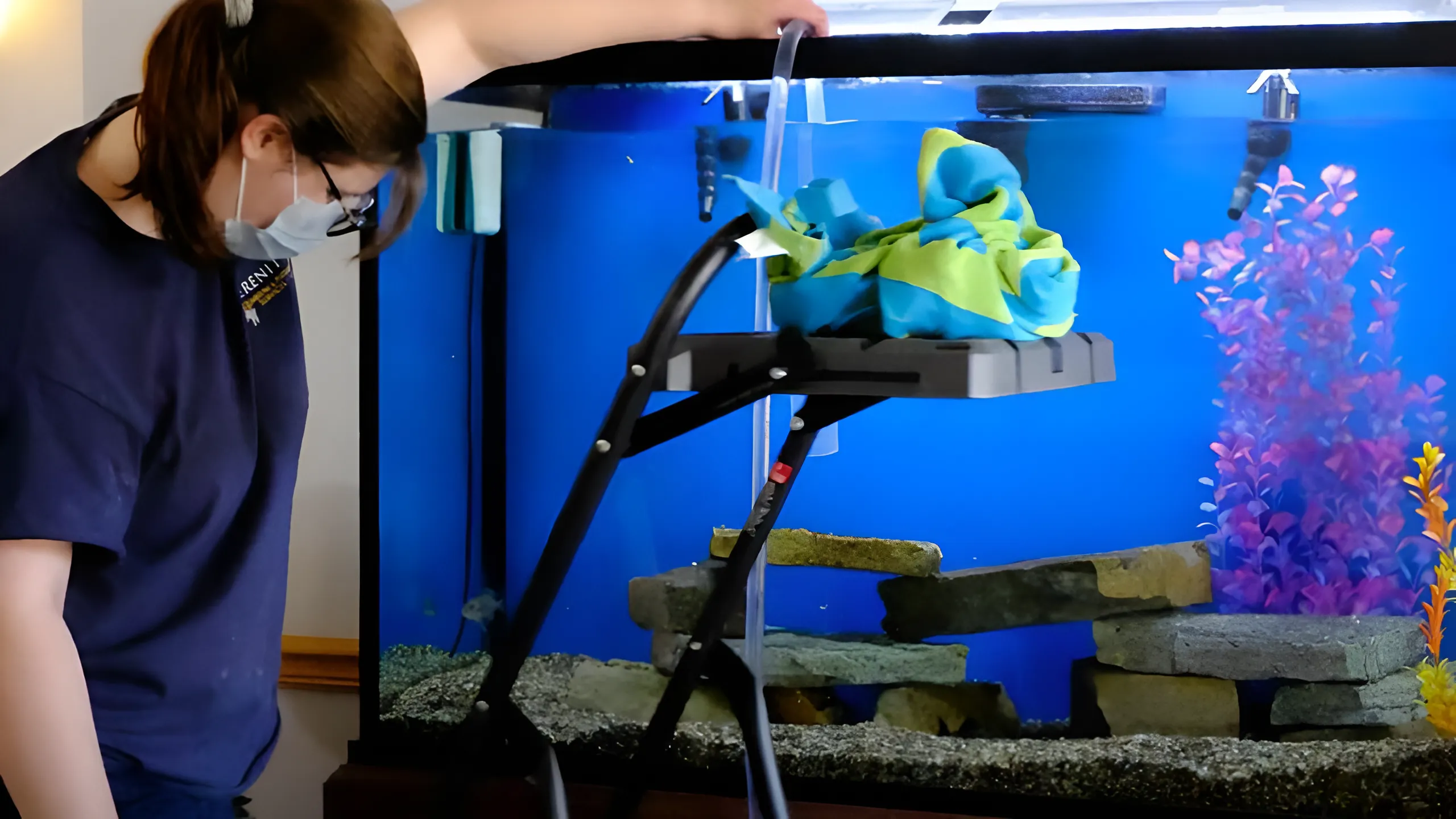
Fish tanks may seem like a pristine and low maintenance option, but they require daily attention. Beginners may be thrilled when they purchase their first fish tank, but they soon learn that raising healthy fish goes beyond just feeding them. Good condition, healthy environment and monitoring are also crucial. Once these are managed, the fish tank will be a happy and stable environment. This article explains 10 essential fish tank maintenance tips. Each point relates to common problems and how they can be avoided by simple actions. And you’ll learn why small mistakes can impact on fish health later on. By following these steps you will have a clear tank, healthy fish and overall a better experience.
1. Select an Ideal Tank Size for Stability
The selection of the right tank size determines all that occurs in your aquarium. It is a common perception amongst many individuals that a smaller tank is easier to manage but in most instances this will then cause more issues as opposed to solving. Compared with a large tank a small one has a rapid response to waste, temperature change and chemical balance. This means that fish are stressed more frequently as their environment is constantly changing.
However, when using a bigger tank, the changes become a controlled environment where they take a long time to occur naturally. The additional water mass water cleanses wastes, and thus there is no danger of a dangerous accumulation. Furthermore, the healthy microbes can develop better in open areas, thus contributing to a balance. In a case where fish is given sufficient space to manoeuvre, it acts in a normal manner and remains healthier. Thus, choosing a tank of appropriate size will not only make it easier to maintain the fit of a tank, but will also eliminate future problems that commonly appear in cramped settings.
2. Choose Fish That Coexist Peacefully
Fish species display a range of behaviours, which can significantly impact your aquarium. Some fish are known to be sociable, whereas others establish territoriality. Incompatible species generate stress quickly, causing fights and injuries. This debilitates their immune system, which increases their risk of disease. Also, fish have different water tolerance which could make fish tank maintenance tips.
With fish that have similar water requirements, it is much simpler to maintain good water quality. However, when different fish have different needs their inclusion requires constant tweaking, which complicates your tank. So, careful selection according to compatibility and habitat conditions guarantees that your aquarium will avoid conflict and be more manageable.
3. Prepare and Cycle Water Before Adding Fish
Water preparation is the backbone of a healthy aquarium, but it is a fact that most beginners do not take the importance of this seriously. Tap water contains chlorine and does not have the good bacteria that is required to decompose wastes. Developing in the absence of appropriate preparation, toxic substances such as ammonia accumulate rapidly and lead to an impact on fish health. Tank cycling enables development of good bacteria and creation of natural filtration system.
These microorganisms help in the conversion of toxic waste to less harmful compounds, and this helps in stabilizing the environment. Despite requiring several days, this procedure helps avoid chemical fluctuations that may be detrimental to fish in the future. Moreover, when a tank is well cycled it minimizes the number of corrections that must be made owing to the fact that the system begins to self-regulate. Thus, by spending time on water preparation, it is better to guarantee stability over time and provide a secure environment in the initial phase.
4. Monitor Water Quality for Chemical Balance
The quality of water will make your fish either grow or not power through. Although this water may look clear, toxins that cannot be seen at the surface may still be present. Such toxins like ammonia and nitrite are formed out of fish waste and food leftovers. When left uncontrolled, they might cause the death of fish in a short period. Routine testing will assist in knowing the status of your aquarium and take necessary measures.
Having a proper pH value also promotes fish comfort and avoids stress. Furthermore, regular observation enables you to observe trends and think how to modify care practices. Fish behave normally and are active when there is balance in the water parameters. Thus, monitoring water quality is indeed not a mundane affair, but an important measure to maintain a healthy water environment.
5. Maintain Consistent Aquarium Temperature
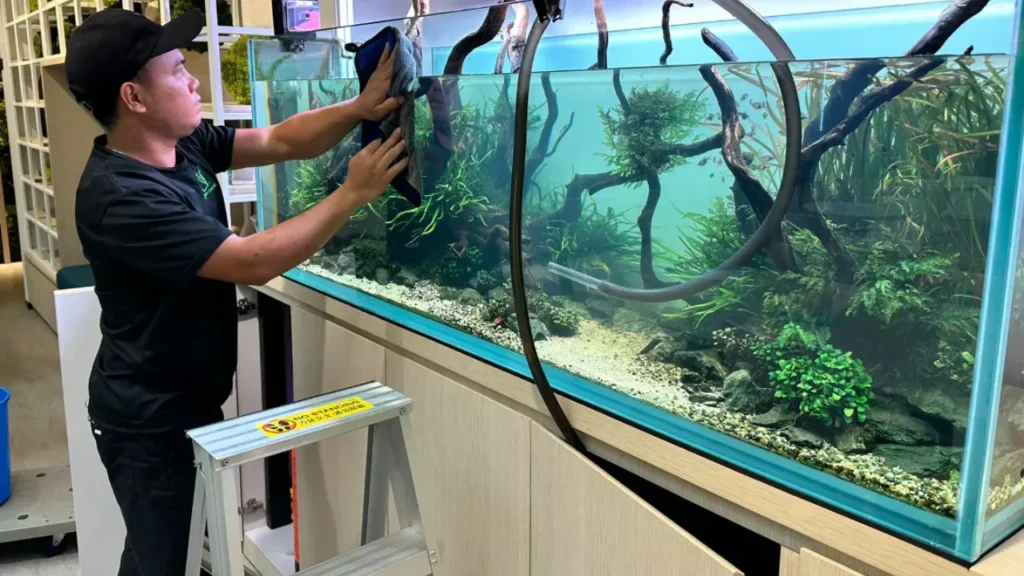
The temperature is a very essential factor in preserving the health of fish since fish lack the means to control their body temperature as humans generally do. Even minimal deviations would cause stress and interfere with their instinctive behaviour. The problem of having temperature oscillate is often encountered with tanks being located close to windows, heaters or air conditioning vents.
Having a steady temperature is important so that fish can feel comfortable and active. An example is that tropical fish need warmer water thriving and coldwater fish survive in lower temperature water. At a suitable temperature, metabolism in fish is good and the immune system is potent. Also, consistent temperature acts to eliminate chances of disease outbreaks. Hence, the state of environment can be balanced with close observation and adequate equipments to ensure that fish live in a comfortable environment.
6. Introduce Fish Gradually to Reduce Stress
When intending to add fish into a new tank, it may sound easy, but this process takes time and caution. Fish are stressed when they are transferred to another environment due to change in water chemistry and temperature. Introducing them abruptly place them into a strange environment, which might even cause shock.
Slow introduction will enable fish to evolve gradually and harmlessly. With a process of modification of temperature and water conditions, the risk of stress is minimized. This is also done to enable fish to become comfortable with their new environment and not panic or get confused. Furthermore, peaceful changes can increase their survival and health prospects in the longterm. Consequently, spending even more time in this stage makes sure that your fish feel safe at the initial stages.
7. Perform Routine Water Changes Consistently
Frequent changing of water is an important factor that will ensure a clean and balanced aquarium. With time, there are waste products of fish activity and the remains of food that influence the quality of water. When this waste is left in the tank, they escalate the level of toxins and provide an unhealthy environment. Half water transfers eliminate these damaging substances and leave healthy bacteria in between.
This balance assures that stability of the tank will not interfere with the natural system. Changing smaller tanks is more frequent, as they will build up more waste, but changing larger tanks will be feasible in the long run. Moreover, a regular replacement of water enhances the oxygen contents and makes the surroundings lively. Hence, adhering to a routine will aid in preserving clarity and the entire well-being of your aquarium.
8. Control Algae Growth for Clean Appearance
The natural growth of algae in aquariums is normal, but when it grows excessively, it presents a number of issues. It does not only influence the way the tank looks but also decreases the amount of oxygen and blocks the light. This imbalance may be detrimental to fish and plants in the long term. The exposure to light is significant in the development of algae, implying that the lighting conditions can be controlled to avoid the overaccumulation.
The algae multiply rapidly when the tank gets excessive amounts of sunlight and becomes hard to control. Regular cleaning is used to remove algae on the surface and maintains the tank in a clear state. Moreover, its growth is restricted due to the natural water balance. Thus, by keeping the levels of algae at check, you have a healthy and beautiful aquarium.
9. Feed Fish in Balanced Portions
Fishing and feeding fish appears easy, but it has a direct impact on the water quality and the health of fish. Excess food finds its way to the tank through over feeding thus converting to waste. Such waste will produce toxins and support the growth of algae which interferes with the harmony of the aquarium. Offering the appropriate quantity of food makes it possible to supply fish with the necessary nutrition without contaminating the water.
Fish tend to demand small quantities of food which they can gulp up. The way they eat will give you an idea of their needs and prevent unwarranted feeding. Furthermore, regulated feeding minimizes the possibility of garbage and makes the tank cleaner. Thus, a well-distributed feeding regimen is beneficial to fish welfare as well as water balance.
10. Observe Fish Behaviour for Early Health Signs
Visual monitoring is a key method of retaining a healthy aquarium. The behaviour of fish can be used to predict their health: subtle changes in behaviour can reflect a greater issue. Active fish feed and explore their environment, but lethargic fish are slow or inactive, unwilling to eat, and don’t interact. Lethargy, lack of appetite and strange spots can all signify a stressed or sick fish.
Impacts and mortality rates can be reduced through early treatment. Consistent monitoring also allows you to recognise normal patterns, and thus identify abnormal behaviour. Moreover, regular observation boosts confidence in your aquarium management and maintains stability. So, monitoring fish behaviour is an important part of ensuring success.
Conclusion: Build Long-Term Success with Fish Tank Maintenance Tips
Maintaining an aquarium requires consistency, patience, and attention to detail. With these fish tank maintenance tips, you provide a safe and healthy environment that allows your fish to thrive. In addition, regular water maintenance, feeding and behaviour checks go a long way. A clean tank creates an environment not only for healthy fish but also plenty of activity. So, prioritise consistent habits and careful attention to detail to maintain a harmonious and peaceful aquarium in the long run.
Read More Blog:– Best Fish Tank Filters for Clean and Healthy Aquariums