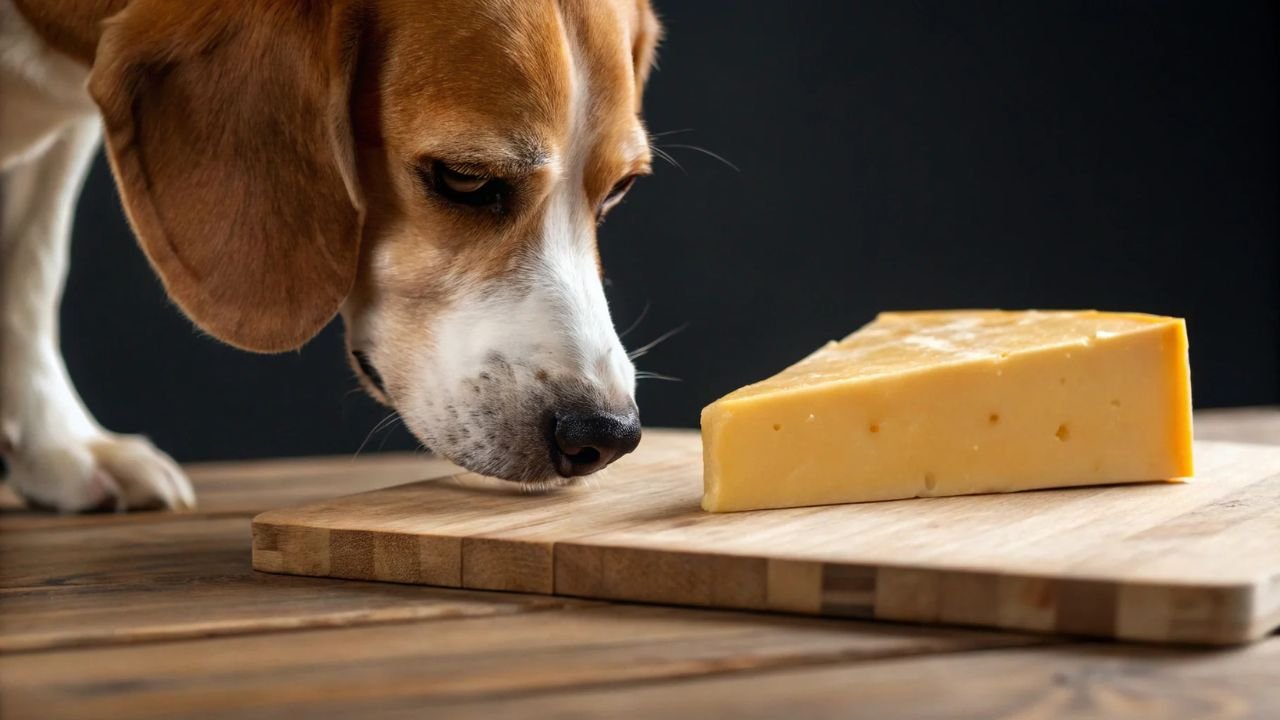
A dog can ignore vegetables, walk away from plain kibble, and bolt across the house when they smell a slice of cheese. Parmesan has that effect because it smells strong, and it’s quite flavorful too. You will more likely be tempted to know: is it safe to give your dog just a small amount? Will it harm them down the road? That question: Can dogs have parmesan cheese? is heightened during pasta nights, oliday feasts and whenever you are making pasta by adding grated parmesan cheese to the dish.
A dog’s nose has its own way of smelling and investigating when they have a food with a high amount of fat and protein. It’s not fatal to your dog for them to ingest a little bit of it, but it doesn’t mean that it’s necessarily healthy.
Some factors to consider when giving Parmesan cheese to your dog include dog age, health, tapers tolerance to dairy, feeding quantity and dog size. Some dogs will take a bite and that’s all, while others dogs will vomit when they eat a little bit of cheese.
Can Dogs Have Parmesan Cheese and Stay Healthy?
Many dog owners want to know whether can dogs have parmesan cheese, as cheese is frequently employed as a reward throughout a doggy training course. Yes, most healthy dogs can have a little in their diet. In this instance, “small” is the word “small. Parmesan doesn’t seem to be toxic to dogs. At this time, nothing harmful to healthy pets.
However, it provides a high sodium and fat content and repeated use of this on regular basis may be harmful to the dog. Therefore, the vets suggest that you use Parmesan cheese once in a while, but never a regular part of the diet of your pet. Leftover pieces of food on the floor, from the process of cooking, are not likely to cause any problems, but enough of one thing put on the floor can cause a problem for your digestive system.
What Is Parmesan Cheese?
Parmesan (also known as Parmigiano Reggiano) is a hard cow’s milk cheese that is produced in Italy. This is one cheese that everyone knows and loves. The only four ingredients that are required for the cheese are milk, salt, bacteria and rennet; the product is aged for a minimum of one year to lose a lot of moisture, and to get even more flavorful as it ages.It’s due to this ageing that Parmesans are unique, and also for the higher saltiness. Parmesan is typically used in pasta, soup, added to risotto or sprinkled on salad and served on its own. Some of the reasons why it is an attractive option is because dogs find it so appealing because the ageing process brings about an appealing smell as well.
Can Dogs Have Parmesan Cheese Safely? What Veterinarians Recommend
The safety aspect of cheese should be addressed separately from the health aspects. Food can be safe for consumption without being beneficial. Parmesan is a good example of such a food. Parmesan is technically safe to eat in minute amounts, but it’s not one of the ideal food items for dogs to eat. Unlike commercially made dog treats, a serving size that provides substantial nutrition to your dog will be exceptionally high in sodium with Parmesan.
Certain dog breeds, such as those that suffer from kidney disease, heart problems, have heart disease, or are overweight/obese or have pancreatitis, would be most affected.
Quick Safety Overview
| Factor | Parmesan Cheese |
| Toxic to Dogs | No |
| High in Sodium | Yes |
| High in Fat | Yes |
| Suitable as Daily Treat | No |
| Safe in Small Amounts | Yes |
| Recommended for Sick Dogs | No |
A small taste of this shouldn’t cause any problems with most dogs.
| Parmesan cheese is a “safe but not beneficial” food for most dogs. Most dogs don’t benefit from eating Parmesan cheese, and it can be harmful. Although small amounts aren’t harmful, eating regularly provides very little nutritional value over healthier dog-appropriate treats. |
How Much Parmesan Cheese Can Dogs Eat Based on Their Size?
While Parmesan cheese is safe for dogs, a small portion needs to be given. Both a small dog and a large dog cannot be fed an equal amount. Below is a sample amount for a treat for occasional feedings.
| Dog Size | Suggested Serving |
| Small Dogs | Few grated flakes |
| Medium Dogs | Up to 1 teaspoon |
| Large Dogs | 1–2 teaspoons occasionally |
Even these amounts should not become a daily habit. Cheese should remain an occasional reward rather than a regular part of a dog’s diet.
Nutritional Benefits of Parmesan Cheese for Dogs
Although it has its downsides, these are some nutrients that are beneficial to our general health and could be found in parmesan. Those nutrients are good for humans and may have some limited uses for dogs if fed in very small amounts.
Nutritional Components Found in Parmesan
| Nutrient | Potential Benefit |
| Calcium | Supports bones and teeth |
| Protein | Helps maintain muscles |
| Vitamin A | Supports eyesight |
| Magnesium | Helps nerve function |
| Potassium | Assists hydration balance |
| Phosphorus | Supports bone strength |
Parmesan continues to be one of the most readily valuable nutrients it offers. Calcium is very important for dogs’ bones and teeth. Protein is also very important since it helps cells repair and develop muscle tissue. However, they can be obtained from a well-balanced dog food. As a nutritional supplement, most veterinarians recommend against the use of Parmesan due to its high salt content.
Hidden Risks of Feeding Parmesan Cheese to Dogs
Generally, worries about Parmesan are related to nutritional issues, not with toxicity. It isn’t as effective as some of its competition as it has a few drawbacks.
Excess Sodium Content and Its Impact on Canine Health
The number one problem with Parmesan cheese is its saltiness. Salt is useful in the production and aging process on the manufacturing site. This helps to enhance flavor and keep foods fresh, but it also increases their sodium levels.
Excess sodium can lead to:
- Increased thirst
- Dehydration
- Elevated blood pressure
- Kidney strain
- Heart complications
Dogs that have any heart or kidney disease will find it hard to efficiently process (get the sodium out) a food with a high sodium content. For this reason, it is recommended that humans steer clear of feeding this salt to pets, if possible.
High Fat Levels and the Increased Risk of Weight-Related Conditions
Parmesan also contains a considerable amount of fat. Fat is a good energy provider and too much can lead to a fat weight gain. But obesity is still one of the most prevalent health issues in pet dogs.
Extra body weight can increase the risk of:
| Condition | Impact |
| Obesity | High |
| Diabetes | Moderate |
| Joint Problems | High |
| Heart Disease | Increased |
| Pancreatitis | Significant |
Whether dogs have a disease such as heart disease or kidney disease, it will be difficult for them to perform the efficient (getting rid of the sodium) action of a high sodium canned dog food. Thus, it is advisable for humans to avoid feeding this salt to their pets, if they can.
Digestive Issues Caused by Lactose Sensitivity in Dogs
Dogs get older and as they do, many will have a reduced ability to digest lactose efficiently. Parmesan is not as dairy based as fresh dairy food, however sensitive dogs may be able to react badly to it.
Symptoms often include:
- Diarrhea
- Gas
- Bloating
- Vomiting
- Stomach discomfort
This query also brings up one more popular query: Can dogs eat cream cheese? Yes, in moderation; however, cream cheese may have more lactose and fat than parmesan. Thus, your dog with milk allergies can find itself having even more digestive responses.
Choking Risks Linked to Hard and Aged Cheeses
However, the hardness of Parmesan is another concern. In smaller dogs, large chunks can get stuck in a dog’s throat. When dogs steal food, they tend to take it by gulping it down without chewing it. Owners need to steer clear of big chunks due to this. Whatever you do, a bit of grated Parmesan is far more likely to be safe.
My Dog Ate Parmesan Cheese: Signs to Watch and When to Call a Vet
Dogs can enjoy themselves when their owners are distracted. Disappearing countertop cheese happens amazingly quickly. If it takes just a bite, you shouldn’t worry, unless you notice your dog has a change in demeanor. In most healthy dogs, there are no serious repercussions. If there’s more, it needs more observation.
Watch for:
- Vomiting
- Diarrhea
- Excessive thirst
- Weakness
- Tremors
- Lethargy
It can take several hours for symptoms associated with salt to occur. So, monitor your dog for 24 hours or more after the incident. Once symptoms are severe, this requires veterinary care.
Can Dogs Eat Cream Cheese or Is It Worse Than Parmesan?
Parmesan cheese owners who shun any mention of its hard nature may find themselves asking if the cheese can be softer and safe to eat. Whether dogs can have cream cheese or not is dependent on the ingredients, as well as the portion. Normally up to a small amount of plain cream cheese is allowed. Plus, flavored varieties have a garlic, onion, herbs or artificial sweetner. But some of the food items that you feed to your dogs can cause “mess” in their diet!
Cream cheese also has a considerable fat content. At the same time, this should not be a daily indulgence; so, you should try to steer clear of that. Cream cheese and Parmesan cannot form a big part of a dog’s diet.
Which Types of Cheese Are Safer for Dogs Than Parmesan?
Not every cheese is suitable for dogs. There are some varieties with less sodium and others with potentially harmful ingredients.
Cheese Comparison for Dogs
| Cheese Type | Suitability |
| Cottage Cheese | Better Option |
| Mozzarella | Moderate |
| Cheddar | Moderate |
| Parmesan | Limited |
| Blue Cheese | Avoid |
Blue cheese deserves special caution because certain molds produce compounds that can trigger neurological symptoms in dogs.
Examples include:
- Stilton
- Roquefort
- Gorgonzola
These cheeses may cause vomiting, tremors, diarrhea, and even seizures in severe cases.
Can Puppies Eat Parmesan Cheese?
The digestive system of puppies is more delicate than that of an adult dog. Although a small amount of Parmesan is not harmful, does not provide significant nutritional value to puppy’s growth stages. Lots of salty, high-fat food can cause indigestion and stomach upset. Puppy food formulated should be fed and given as treats, rather than aged cheeses, and most veterinarians will advise against it.
Is Cheese Good for Dogs as a Treat or Training Reward?
Many pet owners ask is cheese good for dogs because trainers frequently recommend it as a reward. Moderate amounts of cheese can be beneficial if appropriately applied. It’s very useful during training sessions as many dogs are highly motivated by it. It’s common practice for owners to put medication in small chunks of cheese. This little procedure acts as a way to get dogs to swallow pills withoutranting. But can dogs cheat on their daily diet with cheese? Not really. There are alternatives that are generally healthier, can also be very satisfying, and don’t have to contain so many calories or sodium.
Some better options include:
- Blueberries
- Carrots
- Apple slices
- Pumpkin
- Green beans
These foods provide nutritional value while supporting weight management.
What to Do if Your Dog Eats Too Much Cheese
The answer is based on the kind and amount of cheese. Simple cheeses typically trigger mild troubles of the bowels. Toxic ingredients in cheese pose a bigger problem. If possible, review the label of ingredients. Garlic, onion, xylitol, and some condiments need an urgent response. Continue to look for signs of a hound in strange posture, stomach problems, or increased drinking. The majority of accidents clear up on their own. If symptoms are severe, always consult the veterinarian.
Is Cheese Bad for Dogs? Understanding the Long-Term Effects
Cheese is not bad for you. Dogs will develop complications when they overindulge, consume unhealthy varieties or when they have some underlying medical conditions. Cheese is normally fine for elderly dogs, as long as it is given as a rare treat. Clogging the kidneys can be harmful to dogs and if a dog is overweight, the added cheese weight can exert further stress on the kidneys. Types of dogs that don’t tolerate lactose found in cheese well can also be affected, as can dogs with kidney disease. So, is cheese when given in small quantities safe for dogs? Usually not. But if you indulge too much, the situation is completely reversed.
What Food Is Poisonous to Dogs?
Parmesan may not be toxic, but several common foods certainly are.
Foods Dogs Should Never Eat
| Food | Risk Level |
| Chocolate | Very High |
| Grapes | Very High |
| Raisins | Very High |
| Xylitol | Extreme |
| Alcohol | Extreme |
| Garlic | High |
| Onion | High |
| Macadamia Nuts | High |
These foods can trigger severe illness and require immediate veterinary attention.
Can Parmesan Cheese Poison a Dog or Cause Serious Illness?
A handful of parmesan cheese pieces isn’t likely to make most healthy dogs sick. It isn’t to do with acute toxicity, but with long term health effects. Occasional small flakes are not likely to be harmful. Regular doses may cause the surplus consumption of sodium, obesity, digestion trouble or pancreatitis, however. Parmesan is not every day food but a delicious treat! In this fashion, the balls can be a reward for your pet’s dogs without worrying about the health of your pets.
Healthier Alternatives to Parmesan Cheese for Dogs
Many pet owners prefer that their dogs eat their meals without any additional salt, fat or ingredients that are not beneficial their dog. Luckily enough, there are some doggie friendly foodstuff that will not lead to him becoming happy while also not at the cost of compromising his health and well-being.
| Alternative | Benefit |
| Blueberries | Rich in antioxidants |
| Carrots | Low calorie and crunchy |
| Pumpkin | Supports digestion |
| Apple Slices | Good source of fiber |
| Green Beans | Helps with weight management |
Of these choices, the ones that tend to be more nutritious are typically more widely available and can be served more frequently than parmesan cheese.
Rising Veterinary Costs Make Preventive Pet Care More Important Than Ever
Medical requirements for pets is not limited to food, grooming, vaccinations and preventions – these are necessary during a routine check-up. There may be a great amount of money involved if animals need a car emergency veterinarian appointment. Over time some easy advice for good nutrition to avoid an unnecessary health problem can save you time and money!
Can Dogs Have Parmesan Cheese Every Day?
Parmesan is not poisonous, but should not be eaten every day. Sodium, fat and calories in combination can slowly lead to health problems over time. They can be safely offered from time to time to a healthy dog, but are not really that beneficial to begin every meal and cannot eliminate the dietary risks an unnecessary one may pose.
Final Verdict: Can Dogs Have Parmesan Cheese in Moderation?
The answer to can dogs have parmesan cheese is fairly straightforward. A small amount of dog’s meat can be added to kittens’ feed from time to time, without any major problems with the health of their dog. However, if eaten on a frequent basis, Parmesan could cause trouble down the road due to its high salt and fat content. If you choose to share a little, avoid big portions and too much. Your dog will love the flavor and you will decrease the risk of stomach upset, obesity and other medical issues. When it comes to snacks for dogs that are better for their health, these will continue to be a great choice for regular rewards.
A dog can ignore vegetables, walk away from plain kibble, and bolt across the house when they smell a slice of cheese. Parmesan has that effect because it smells strong, and it’s quite flavorful too. You will more likely be tempted to know: is it safe to give your dog just a small amount? Will it harm them down the road? That question: Can dogs have parmesan cheese? is heightened during pasta nights, oliday feasts and whenever you are making pasta by adding grated parmesan cheese to the dish.
A dog’s nose has its own way of smelling and investigating when they have a food with a high amount of fat and protein. It’s not fatal to your dog for them to ingest a little bit of it, but it doesn’t mean that it’s necessarily healthy.
Some factors to consider when giving Parmesan cheese to your dog include dog age, health, tapers tolerance to dairy, feeding quantity and dog size. Some dogs will take a bite and that’s all, while others dogs will vomit when they eat a little bit of cheese.
Can Dogs Have Parmesan Cheese and Stay Healthy?
Many dog owners want to know whether can dogs have parmesan cheese, as cheese is frequently employed as a reward throughout a doggy training course. Yes, most healthy dogs can have a little in their diet. In this instance, “small” is the word “small. Parmesan doesn’t seem to be toxic to dogs. At this time, nothing harmful to healthy pets.
However, it provides a high sodium and fat content and repeated use of this on regular basis may be harmful to the dog. Therefore, the vets suggest that you use Parmesan cheese once in a while, but never a regular part of the diet of your pet. Leftover pieces of food on the floor, from the process of cooking, are not likely to cause any problems, but enough of one thing put on the floor can cause a problem for your digestive system.
| What Is Parmesan Cheese?Parmesan (also known as Parmigiano Reggiano) is a hard cow’s milk cheese that is produced in Italy. This is one cheese that everyone knows and loves. The only four ingredients that are required for the cheese are milk, salt, bacteria and rennet; the product is aged for a minimum of one year to lose a lot of moisture, and to get even more flavorful as it ages.It’s due to this ageing that Parmesans are unique, and also for the higher saltiness. Parmesan is typically used in pasta, soup, added to risotto or sprinkled on salad and served on its own. Some of the reasons why it is an attractive option is because dogs find it so appealing because the ageing process brings about an appealing smell as well. |
Can Dogs Have Parmesan Cheese Safely? What Veterinarians Recommend
The safety aspect of cheese should be addressed separately from the health aspects. Food can be safe for consumption without being beneficial. Parmesan is a good example of such a food. Parmesan is technically safe to eat in minute amounts, but it’s not one of the ideal food items for dogs to eat. Unlike commercially made dog treats, a serving size that provides substantial nutrition to your dog will be exceptionally high in sodium with Parmesan.
Certain dog breeds, such as those that suffer from kidney disease, heart problems, have heart disease, or are overweight/obese or have pancreatitis, would be most affected.
Quick Safety Overview
| Factor | Parmesan Cheese |
| Toxic to Dogs | No |
| High in Sodium | Yes |
| High in Fat | Yes |
| Suitable as Daily Treat | No |
| Safe in Small Amounts | Yes |
| Recommended for Sick Dogs | No |
A small taste of this shouldn’t cause any problems with most dogs.
| Parmesan cheese is a “safe but not beneficial” food for most dogs. Most dogs don’t benefit from eating Parmesan cheese, and it can be harmful. Although small amounts aren’t harmful, eating regularly provides very little nutritional value over healthier dog-appropriate treats. |
How Much Parmesan Cheese Can Dogs Eat Based on Their Size?
While Parmesan cheese is safe for dogs, a small portion needs to be given. Both a small dog and a large dog cannot be fed an equal amount. Below is a sample amount for a treat for occasional feedings.
| Dog Size | Suggested Serving |
| Small Dogs | Few grated flakes |
| Medium Dogs | Up to 1 teaspoon |
| Large Dogs | 1–2 teaspoons occasionally |
Even these amounts should not become a daily habit. Cheese should remain an occasional reward rather than a regular part of a dog’s diet.
Nutritional Benefits of Parmesan Cheese for Dogs
Although it has its downsides, these are some nutrients that are beneficial to our general health and could be found in parmesan. Those nutrients are good for humans and may have some limited uses for dogs if fed in very small amounts.
Nutritional Components Found in Parmesan
| Nutrient | Potential Benefit |
| Calcium | Supports bones and teeth |
| Protein | Helps maintain muscles |
| Vitamin A | Supports eyesight |
| Magnesium | Helps nerve function |
| Potassium | Assists hydration balance |
| Phosphorus | Supports bone strength |
Parmesan continues to be one of the most readily valuable nutrients it offers. Calcium is very important for dogs’ bones and teeth. Protein is also very important since it helps cells repair and develop muscle tissue. However, they can be obtained from a well-balanced dog food. As a nutritional supplement, most veterinarians recommend against the use of Parmesan due to its high salt content.
Hidden Risks of Feeding Parmesan Cheese to Dogs
Generally, worries about Parmesan are related to nutritional issues, not with toxicity. It isn’t as effective as some of its competition as it has a few drawbacks.
Excess Sodium Content and Its Impact on Canine Health
The number one problem with Parmesan cheese is its saltiness. Salt is useful in the production and aging process on the manufacturing site. This helps to enhance flavor and keep foods fresh, but it also increases their sodium levels.
Excess sodium can lead to:
- Increased thirst
- Dehydration
- Elevated blood pressure
- Kidney strain
- Heart complications
Dogs that have any heart or kidney disease will find it hard to efficiently process (get the sodium out) a food with a high sodium content. For this reason, it is recommended that humans steer clear of feeding this salt to pets, if possible.
High Fat Levels and the Increased Risk of Weight-Related Conditions
Parmesan also contains a considerable amount of fat. Fat is a good energy provider and too much can lead to a fat weight gain. But obesity is still one of the most prevalent health issues in pet dogs.
Extra body weight can increase the risk of:
| Condition | Impact |
| Obesity | High |
| Diabetes | Moderate |
| Joint Problems | High |
| Heart Disease | Increased |
| Pancreatitis | Significant |
Whether dogs have a disease such as heart disease or kidney disease, it will be difficult for them to perform the efficient (getting rid of the sodium) action of a high sodium canned dog food. Thus, it is advisable for humans to avoid feeding this salt to their pets, if they can.
Digestive Issues Caused by Lactose Sensitivity in Dogs
Dogs get older and as they do, many will have a reduced ability to digest lactose efficiently. Parmesan is not as dairy based as fresh dairy food, however sensitive dogs may be able to react badly to it.
Symptoms often include:
- Diarrhea
- Gas
- Bloating
- Vomiting
- Stomach discomfort
This query also brings up one more popular query: Can dogs eat cream cheese? Yes, in moderation; however, cream cheese may have more lactose and fat than parmesan. Thus, your dog with milk allergies can find itself having even more digestive responses.
Choking Risks Linked to Hard and Aged Cheeses
However, the hardness of Parmesan is another concern. In smaller dogs, large chunks can get stuck in a dog’s throat. When dogs steal food, they tend to take it by gulping it down without chewing it. Owners need to steer clear of big chunks due to this. Whatever you do, a bit of grated Parmesan is far more likely to be safe.
My Dog Ate Parmesan Cheese: Signs to Watch and When to Call a Vet
Dogs can enjoy themselves when their owners are distracted. Disappearing countertop cheese happens amazingly quickly. If it takes just a bite, you shouldn’t worry, unless you notice your dog has a change in demeanor. In most healthy dogs, there are no serious repercussions. If there’s more, it needs more observation.
Watch for:
- Vomiting
- Diarrhea
- Excessive thirst
- Weakness
- Tremors
- Lethargy
It can take several hours for symptoms associated with salt to occur. So, monitor your dog for 24 hours or more after the incident. Once symptoms are severe, this requires veterinary care.
Can Dogs Eat Cream Cheese or Is It Worse Than Parmesan?
Parmesan cheese owners who shun any mention of its hard nature may find themselves asking if the cheese can be softer and safe to eat. Whether dogs can have cream cheese or not is dependent on the ingredients, as well as the portion. Normally up to a small amount of plain cream cheese is allowed. Plus, flavored varieties have a garlic, onion, herbs or artificial sweetner. But some of the food items that you feed to your dogs can cause “mess” in their diet!
Cream cheese also has a considerable fat content. At the same time, this should not be a daily indulgence; so, you should try to steer clear of that. Cream cheese and Parmesan cannot form a big part of a dog’s diet.
Which Types of Cheese Are Safer for Dogs Than Parmesan?
Not every cheese is suitable for dogs. There are some varieties with less sodium and others with potentially harmful ingredients.
Cheese Comparison for Dogs
| Cheese Type | Suitability |
| Cottage Cheese | Better Option |
| Mozzarella | Moderate |
| Cheddar | Moderate |
| Parmesan | Limited |
| Blue Cheese | Avoid |
Blue cheese deserves special caution because certain molds produce compounds that can trigger neurological symptoms in dogs.
Examples include:
- Stilton
- Roquefort
- Gorgonzola
These cheeses may cause vomiting, tremors, diarrhea, and even seizures in severe cases.
Can Puppies Eat Parmesan Cheese?
The digestive system of puppies is more delicate than that of an adult dog. Although a small amount of Parmesan is not harmful, does not provide significant nutritional value to puppy’s growth stages. Lots of salty, high-fat food can cause indigestion and stomach upset. Puppy food formulated should be fed and given as treats, rather than aged cheeses, and most veterinarians will advise against it.
Is Cheese Good for Dogs as a Treat or Training Reward?
Many pet owners ask is cheese good for dogs because trainers frequently recommend it as a reward. Moderate amounts of cheese can be beneficial if appropriately applied. It’s very useful during training sessions as many dogs are highly motivated by it. It’s common practice for owners to put medication in small chunks of cheese. This little procedure acts as a way to get dogs to swallow pills withoutranting. But can dogs cheat on their daily diet with cheese? Not really. There are alternatives that are generally healthier, can also be very satisfying, and don’t have to contain so many calories or sodium.
Some better options include:
- Blueberries
- Carrots
- Apple slices
- Pumpkin
- Green beans
These foods provide nutritional value while supporting weight management.
What to Do if Your Dog Eats Too Much Cheese
The answer is based on the kind and amount of cheese. Simple cheeses typically trigger mild troubles of the bowels. Toxic ingredients in cheese pose a bigger problem. If possible, review the label of ingredients. Garlic, onion, xylitol, and some condiments need an urgent response. Continue to look for signs of a hound in strange posture, stomach problems, or increased drinking. The majority of accidents clear up on their own. If symptoms are severe, always consult the veterinarian.
Is Cheese Bad for Dogs? Understanding the Long-Term Effects
Cheese is not bad for you. Dogs will develop complications when they overindulge, consume unhealthy varieties or when they have some underlying medical conditions. Cheese is normally fine for elderly dogs, as long as it is given as a rare treat. Clogging the kidneys can be harmful to dogs and if a dog is overweight, the added cheese weight can exert further stress on the kidneys. Types of dogs that don’t tolerate lactose found in cheese well can also be affected, as can dogs with kidney disease. So, is cheese when given in small quantities safe for dogs? Usually not. But if you indulge too much, the situation is completely reversed.
What Food Is Poisonous to Dogs?
Parmesan may not be toxic, but several common foods certainly are.
Foods Dogs Should Never Eat
| Food | Risk Level |
| Chocolate | Very High |
| Grapes | Very High |
| Raisins | Very High |
| Xylitol | Extreme |
| Alcohol | Extreme |
| Garlic | High |
| Onion | High |
| Macadamia Nuts | High |
These foods can trigger severe illness and require immediate veterinary attention.
Can Parmesan Cheese Poison a Dog or Cause Serious Illness?
A handful of parmesan cheese pieces isn’t likely to make most healthy dogs sick. It isn’t to do with acute toxicity, but with long term health effects. Occasional small flakes are not likely to be harmful. Regular doses may cause the surplus consumption of sodium, obesity, digestion trouble or pancreatitis, however. Parmesan is not every day food but a delicious treat! In this fashion, the balls can be a reward for your pet’s dogs without worrying about the health of your pets.
Healthier Alternatives to Parmesan Cheese for Dogs
Many pet owners prefer that their dogs eat their meals without any additional salt, fat or ingredients that are not beneficial their dog. Luckily enough, there are some doggie friendly foodstuff that will not lead to him becoming happy while also not at the cost of compromising his health and well-being.
| Alternative | Benefit |
| Blueberries | Rich in antioxidants |
| Carrots | Low calorie and crunchy |
| Pumpkin | Supports digestion |
| Apple Slices | Good source of fiber |
| Green Beans | Helps with weight management |
Of these choices, the ones that tend to be more nutritious are typically more widely available and can be served more frequently than parmesan cheese.
Rising Veterinary Costs Make Preventive Pet Care More Important Than Ever
Medical requirements for pets is not limited to food, grooming, vaccinations and preventions – these are necessary during a routine check-up. There may be a great amount of money involved if animals need a car emergency veterinarian appointment. Over time some easy advice for good nutrition to avoid an unnecessary health problem can save you time and money!
| Can Dogs Have Parmesan Cheese Every Day?Parmesan is not poisonous, but should not be eaten every day. Sodium, fat and calories in combination can slowly lead to health problems over time. They can be safely offered from time to time to a healthy dog, but are not really that beneficial to begin every meal and cannot eliminate the dietary risks an unnecessary one may pose. |
Final Verdict: Can Dogs Have Parmesan Cheese in Moderation?
The answer to can dogs have parmesan cheese is fairly straightforward. A small amount of dog’s meat can be added to kittens’ feed from time to time, without any major problems with the health of their dog. However, if eaten on a frequent basis, Parmesan could cause trouble down the road due to its high salt and fat content. If you choose to share a little, avoid big portions and too much. Your dog will love the flavor and you will decrease the risk of stomach upset, obesity and other medical issues. When it comes to snacks for dogs that are better for their health, these will continue to be a great choice for regular rewards.
Also Read About: Dog Food Brands for Healthy and Active Dogs in India