Caring for your dog means making choices that protect them for life, and vaccination sits at the center of that responsibility. Dogs’ pet owners seek rabies vaccine for dogs side effects since they want to be informed and not lose their senses. Initially, the concept of side effects may be a frightening experience, but once you know how it works, the fear will diminish. You will also discover how the vaccine acts within the body, what the typical and unusual reactions resemble, and how to react without panic in case of some strange occurrence in this descriptive article. In addition to that, you will also learn useful tips of care, alternative considerations and knowledge at the expert level in a readable and simple manner.
Rabies Vaccine for Dogs Side Effects and Immune Response
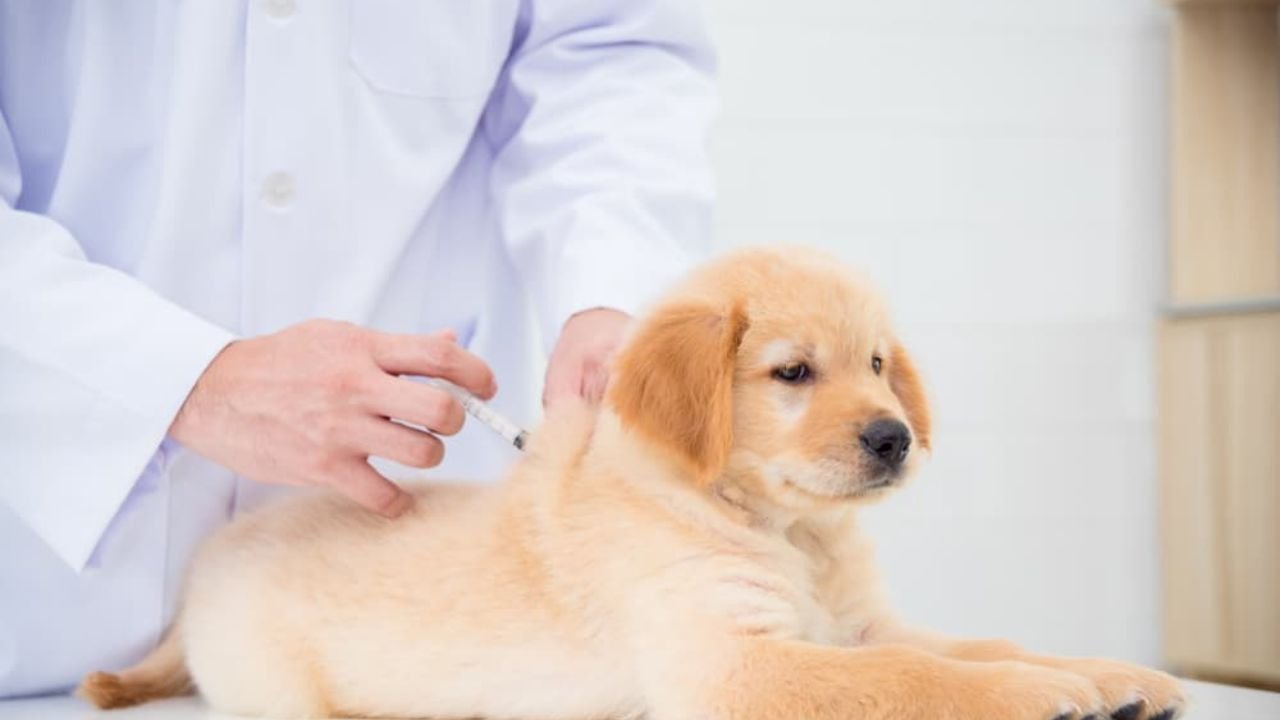
Rabies immunization safeguards dogs by preconditioning their immune system, preconditioning is what this vaccination is based on its success. The vaccine is made out of a killed form of the virus and hence cannot cause an illness, though it still elicits a protective response within the body. Thus, the immune system starts to generate antibodies to the rabies as a danger.
The rabies virus takes time to develop; the body receives ample time to respond should there be an exposure later. Thus, the disease occurs in vaccinated dogs infrequently, and the specific vaccine is one of the most useful safeguards of veterinary care. But the same immune response that forms us some protection, explains why mild reactions are observed in certain cases.
In reference to rabies vaccine for dogs side effects, it becomes apparent that these reactions are usually an indication that the immune system is working. Therefore, by learning this process, you will be more confident in the decision to get vaccinated.
Vaccination timing and immunity cycle
The protection does not last forever, so boosters play a key role in maintaining immunity. The schedule usually starts in puppyhood and continues throughout the dog’s life.
| Stage | Timing | Purpose |
| First vaccination | 12–16 weeks | Builds initial immunity |
| Booster dose | After 1 year | Strengthens immune defense |
| Ongoing boosters | Every 1–3 years | Maintains protection |
This cycle ensures that your dog stays protected without gaps in immunity.
Common Symptoms of Rabies Vaccine for Dogs You May Notice
The majority of pet owners observe the slight alterations following vaccination, and they mostly are considered in response to most common reactions. Knowing the side effects of rabies vaccine on dogs, you learn that, in most instances, mild side effects are normal reactions of the immune system, and not a cause of concern.
In most cases, dogs can be a little fatigued or inactive in the short term. Meanwhile, a low-grade fever or loss of appetite might manifest itself, but in most cases it goes away after one or two days. Moreover, other dogs gain mild swelling or tenderness on the injection site.
Typical mild reactions explained
Dogs also sleep more than normal and this additional sleep contributes to recovery. There are slight reductions in appetite, but these are soon restored by appropriate attention. Moreover, the injection point can be hard or might have a slight warm reaction that is expected with the vaccine.
| Symptom | Duration | Severity Level |
| Low energy | 24–48 hours | Mild |
| Mild fever | Up to 24 hours | Mild |
| Injection swelling | 2–3 days | Mild |
| Appetite change | 1–2 days | Mild |
These symptoms are still manageable, but by keeping track of them, there will be no sudden deteriorations. Such reactions can be unpleasing though they seldom necessitate medical interventions. Rather, they demonstrate that the body is in the process of developing protection. Hence, it becomes significant to watch your dog at rest at this stage.
Tips for Supporting Recovery After Vaccination
Taking simple steps at home can make your dog feel comfortable during recovery, and small adjustments often create noticeable improvement. The rabies vaccine for dogs side effects are not serious in most scenarios, though supportive care does not go amiss.
Do not give the dog heavy food since they do not have a temporary loss of appetite but should have light food that is easy to swallow. There should always be fresh water since it is hydrating and thus promotes quick healing. Moreover, maintenance of a calm and peaceful atmosphere promotes stress reduction and thereby the body attends to recovery.
In addition, a one- or two-day physical activity restriction will keep your dog off your hands since it will not overwork its body. When you treat your pet in a kind manner, pay attention and be patient; he or she gets back to normal within a short time.
Rare and Serious Reactions Related to Rabies Vaccine for Dogs Side Effects
Although uncommon, certain dogs can have severe side effects of the rabies vaccine on dogs due to allergic or hypersensitive reaction. These reactions are frequently rapid, possibly minutes to an hour immediate after the vaccine is given. That is why it is better to remain at the clinic a bit after being vaccinated to be observed.
Faulty vaccines do not produce severe reactions but rather an over reaction by the immune system of the dog. These symptoms are important, identifying them in their initial stages can be a great step towards giving your dog prompt treatment.
Warning Signs That Need Immediate Attention
- Vomiting or diarrhea
- Swelling around face, eyes, or muzzle
- Hives or skin bumps
- Difficulty breathing
- Collapse or fainting
Emergency Response Steps
- Contact your veterinarian immediately
- Note the time symptoms started
- Avoid giving home remedies
- Reach the nearest clinic without delay
What to Do If You Notice Rabies Vaccine Side Effects
The appropriate reaction to symptoms would help you to cope with the situation without becoming too stressed over it. Giving mild rabies vaccine for dogs side effects may result to observation and comfort oriented approach, and not panic. Let your dog have a rest in a quiet environment, and you should avoid intensive activities. Simultaneously, observe dietary habits, energy intake and general demeanor. These tiny checks assist you to monitor progress of recovery.
Monitoring and action plan
| Condition | Suggested Response |
| Mild tiredness | Observe at home |
| Slight swelling | Monitor regularly |
| Symptoms beyond 3 days | Contact veterinarian |
| Severe allergic reaction | Emergency visit |
This is a systematic strategy to enable you to work without being confused. Nevertheless, when the symptoms persist beyond the projected time or when the symptoms escalate, then a veterinarian should be contacted. When consulted at an early age, this prevents complications and proper treatment is not only guaranteed but also received.
Exploring Rabies Vaccine Alternatives and Preventive Measures
In some cases where dogs exhibit high rabies vaccine side effects, the pet owners can seek other options with care of their doctors. Among them are antibody titer testing, which is an evaluation of the amount of immunity in the dog blood. This assists in ascertaining the need to have more vaccination.
Nevertheless, one should realize that the laws about vaccination can change depending on the place, and not vaccinating can not be a constant. Hence, it is always safe to consult your veterinarian about all the possible options to be sure that you will come up with a safe and law-abiding decision concerning your pet.
Possible Alternatives and Adjustments
- Antibody titer testing
- Pre-medication before vaccination
- Extended observation after the vaccine
- Customized vaccination schedule
Long-Term Safety Perspective on Rabies Vaccination
The safety and effectiveness of rabies vaccination have a long history and it has been administered to millions of dogs annually with no major issues. Although rabies vaccine for dogs side effects might take place, they are mild in the majority of cases and can be cured fast.
The risks of vaccination are definitely less than the benefits, particularly given the fact that rabies is a fatal disease. Just by preventing the disease, you are protecting your dog but also in decreasing the chances of spreading it to other animals and people.
Regular booster guarantees active immunity, thus ensuring constant protection throughout the life of your dog. Thus, it becomes necessary to be regular in the immunization sequences to ensure long-term safety.
Conclusion
Understanding rabies vaccine for dogs side effects helps you approach vaccination with confidence instead of fear. The majority of a reaction is light and only temporary and severe complications are not frequent and can be overcome by quick action.
By avoiding complications after vaccinating your dog, you will be able to keep your dog in the long run by watching your dog and taking steps to be able to take proper care. Furthermore, being informed will enable you to make responsible choices that safeguard the health of your dog in the long-term. Rabies can still be prevented by vaccination and therefore, its levels of prevention is a prudent move to consider by every pet owner.
Also Read About: Most Intelligent Dog Breeds in 2026: Complete Guide for Smart Pet Owners