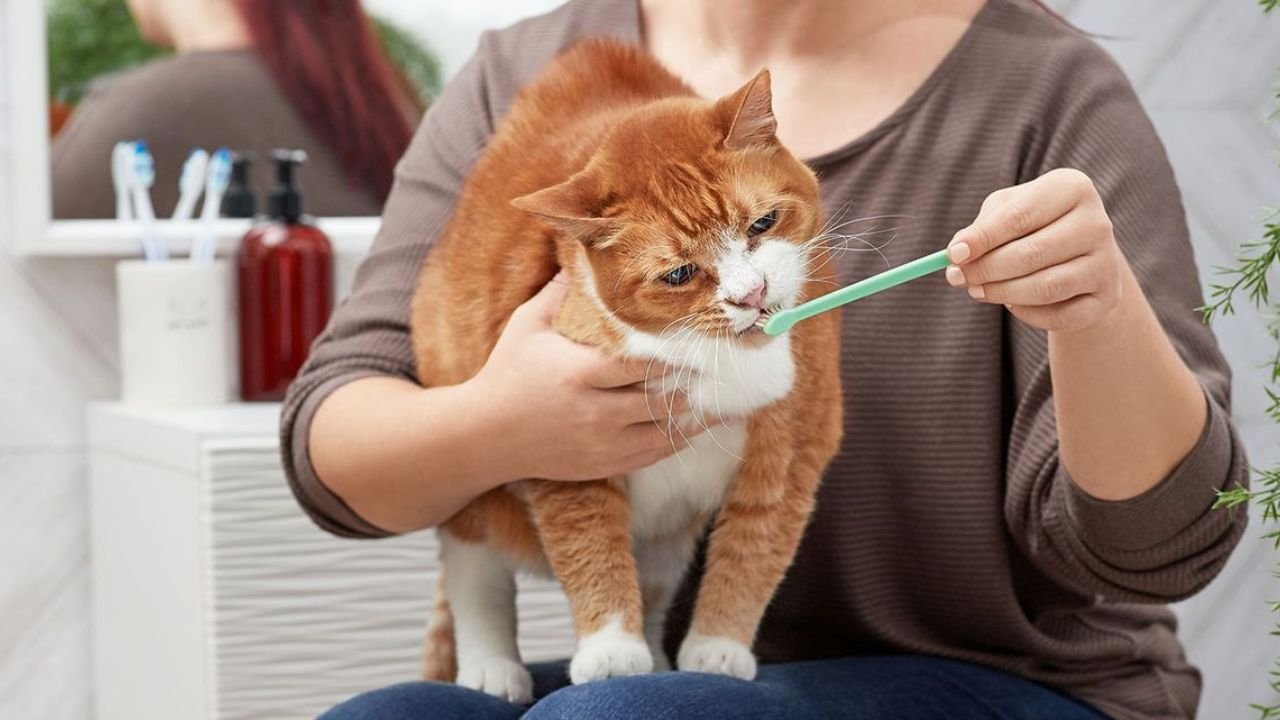
Raising a cat may seem easy, but oral hygiene slowly turns into one of the most neglected fields. Most of the owners are dedicated to meals, grooming, and playtime, yet they overlook the fact that oral health directly influences the general health status. That makes it more than a mere trifle to learn how to brush cats teeth; and a long-term investment in the comfort and well-being of your pet. Moreover, after getting to know how to do it right, it will no longer appear complicated or pressurizing.
You will also understand each critical component of feline dental care in a formal manner in this article. You will know the meaning of brushing, why you should brush your teeth, when to brush your teeth and the tools actually effective. Concurrently, tips will be offered that will result in your developing a routine that will not feel forced but rather natural. As such, rather than making an educated guess, you will be operating under a clear system, which will enhance your level of confidence as well as the level of acceptance by your cat.
How to Brush Cats Teeth with Safe and Simple Steps
Understanding how to brush cats teeth begins with patience and trust. Many cats resist new habits; however, a slow introduction changes their response over time. You must create comfort by allowing the process to be repeated by gently interacting with one another. Consequently, your cat begins to equate brushing with relaxing and pleasant situations.
What Is the Right Brushing Approach?
Brushing involves removing soft plaque from the outer surface of teeth. This measure will avoid the accumulation of tartar, which will subsequently lead to gum complications. As such, a regular approach is more effective than irregular efforts.
Begin by spending time with your cat in a comfortable environment. Next, caress the face and in a few seconds, raise the lips. Next, you need to reward your cat as soon as possible since positive reinforcement is the best way to establish trust. Gradually, you can increase the time spent touching the teeth.
Stepwise Process That Builds Confidence
At first, introduce toothpaste using your finger instead of a brush. This way enables your cat to test the flavor at ease. Then, introduce the toothbrush and allow your cat to sniff the toothbrush, without force. After your cat is accustomed to the tool, start to brush it lightly with soft circular movements.
The following table simplifies the learning stages:
| Stage | Action | Duration | Goal |
| Step 1 | Touch teeth gently | 5–10 seconds | Build comfort |
| Step 2 | Introduce toothpaste | 10–15 seconds | Familiar taste |
| Step 3 | Use toothbrush lightly | 15–20 seconds | Reduce fear |
| Step 4 | Full brushing | 20–30 seconds | Complete routine |
This gradual method ensures that your cat adapts without stress. Consequently, brushing becomes easier with each session.
Should I Brush My Cat’s Teeth for Long-Term Health?
Dental care is one of the items that may be disregarded, but it has a direct impact on the overall medical condition of a cat. Most of these problems start softly and thus early detection allows eliminating severe complications that will occur in the future. In addition, a regular routine will help alleviate pain but will also help to improve eating patterns.
1. Impact of Untreated Dental Problems
When plaque remains on the teeth over a long period of time, the plaque hardens into tartar and irritates the gummy part of the body. This leads to inflammation onset, where the pain accumulates to an extent after some time. Moreover, the untreated infections can spread via the blood and can target internal organs.
2. Behavioral Signs That Indicate Oral Issues
Cats do not tend to communicate their pain in a clear way, so any slight changes should be considered. As an example, loss of appetite or insufficient intake of dry food may be symptoms of malaise. Still, to the same point, the foul-smelling breath and excessive secretions are generally what create the point of dental problems.
3. Connection Between Oral Health and Overall Wellness
Healthy teeth are useful in proper chewing and digestion, which in turn leads to better absorption of nutrients. Simultaneously, the less bacteria are present in the mouth, the less chances of any other part of the body acquiring infections. Thus, Oral care contributes to the general health.
When To Start Brushing Cat Teeth for Best Results

Time is a very important factor towards success. By beginning at an early age, the cat will soon adapt naturally. Kittens also learn new routines very quickly; in this instance, the activity of brushing is normal for kittens. Or indeed it may also take the adult cats more time with perseverance, it can also work.
Ideal Starting Phase
The best time to begin is after the kittens are weaned. At this age, their teeth are clean and their behavior is also flexible. Thus, it is much easier to introduce brushing.
In case you have an older cat, it is advisable to first examine if the cat already has dental problems. Professional cleaning can also be necessary in certain situations, and even have to start a routine at home.
Practical Timing Strategy
You can follow this simple structure:
- Begin during calm moments when your cat feels relaxed
- Keep sessions short in the beginning
- Increase duration gradually over several days
This will help your cat to feel not overwhelmed. Consequently, the routine (in the long term) becomes sustainable.
What You Need To Brush Cat Teeth Effectively
The proper tools should also enhance comfort and safety. Though the list is not of a complicated nature, every single thing presented in the list is of great significance in the process. Thus, selecting the appropriate products will guarantee improved results.
Essential Tools for Daily Routine
A pet toothbrush that is soft is the most effective as it does not harm sensitive gums. Finger brushes are also easier to control, especially in situations involving the beginner. Cat toothpaste is still necessary as toothpaste in humans has bad components.
The following table explains each tool clearly:
| Tool | Purpose | Advantage |
| Soft toothbrush | Cleans gently | Prevents gum damage |
| Finger brush | Easy handling | Better control |
| Cat toothpaste | Safe cleaning | Appealing flavors |
| Treats | Reward system | Builds positive behavior |
After selecting these tools, allow your cat to explore them freely. This small step reduces fear and increases acceptance. Consequently, the brushing process becomes smoother.
How Often To Brush a Cat’s Teeth for Better Care
Building a calm routine can make the brushing task simpler to both you and your cat. Rather than subjecting your cat to such a procedure, you are supposed to introduce each step one at a time until your cat is safe and relaxed.
1. Creating a Comfortable Environment for Brushing
Choose a quiet place where your cat already feels secure. Sitting with a calm posture and petted your cat is associated with lower anxiety levels. Moreover, it is beneficial to keep meetings short in the initial stages as it acquires confidence without stressing your pet.
2. Gradual Introduction to Mouth Handling
Begin by going up to your cat and touching its face and pulling up the lips for several seconds. This will help your cat to become accustomed to the same without being stressed out. With time, you can gradually extend the length with treats as a reward.
3. Using Toothpaste and Brush in the Right Way
To introduce how to brush cats teeth, you should make your cat taste it first on your finger before introducing it to your cat. Next, give your cat time to play with the toothbrush prior to being used. Beginning with the brushing, you are able to utilize soft circular movements and concentrate on the outer parts of the teeth.
4. Consistency That Builds Acceptance Over Time
Repeat the process daily with patience and calm behavior. Although progress may not seem that quick, the constant practice will assist your cat in adjusting accordingly. Then in time brushing will be introduced into the way of life without an objection.
Tips for Keeping Cat Teeth Clean Beyond Brushing
Brushing has a significant contribution, but other habits can contribute to improved hygiene. The integration of various techniques enhances the overall outcomes. Thus, you may wish to incorporate straightforward supportive measures.
Supportive Dental Habits
Dental treats enable lessen the natural growth of plaque in your cat as it chews the dental treats. Water additives also play a role in that they enhance oral cleanliness all day round. Also, special dry food specifically used in the maintenance of the dental office can help in the removal of buildup.
Balanced Care Strategy
Taking the veterinary to regular check-ups makes sure that there exists some hidden issues are detected in time. Meanwhile, capable of avoiding sugary or sticky food helps avoid unnecessary plaque formation. Therefore, by brushing together with these techniques, one will have a total system of dental care.
Conclusion:
Learning how to brush cats teeth may seem challenging at first; this practice will help to consider it as an easy habit. Patient and consistent with time will see your cat at first slowly learn to go through the process with no levels of stress attached to it. Thereby, by following these tips and routine maintenance, you will possess healthier teeth, a more comfortable, and happier life for your pet.
Also Read About: Pet Odor Removal: Easy Ways to Keep Your Home Fresh